Guillaume Dufay 1397 – 1474
Biography
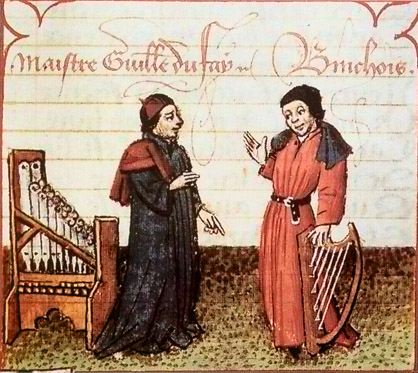
Guillaume Dufay didn’t just compose music—he fundamentally rewired how Renaissance Europe sounded. Born in 1397 during a seismic shift in musical innovation, this Franco-Flemish master became the era’s most influential composer, crafting works that bridged medieval tradition and modern expression. His sophisticated harmonies and emotional depth transformed sacred and secular music alike, making him the sonic architect of the Renaissance’s golden age.
For nearly eight decades, Dufay commanded European musical culture, witnessing and shaping radical changes in composition that rippled across the continent. He didn’t follow trends; he created them. His pieces established the musical language that would dominate for generations, influencing countless composers who came after. From royal courts to cathedral choirs, Dufay’s fingerprints were everywhere—his legacy wasn’t confined to concert halls but woven into the very fabric of Renaissance artistic expression.
When Dufay died in Cambrai in 1474 at 77, the musical world lost its guiding light. Yet his influence never dimmed. Centuries later, musicologists still marvel at his innovation and brilliance. Guillaume Dufay remains one of history’s most indispensable composers—the visionary who gave the Renaissance its voice.