Guo Moruo 1892 – 1978
Biography
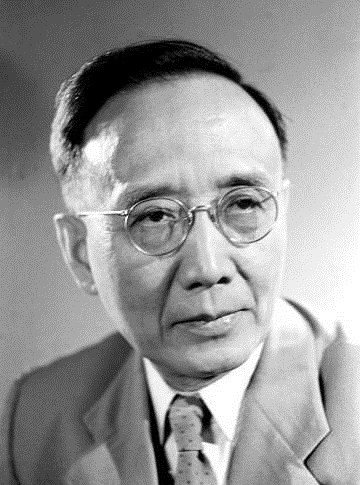
China’s literary colossus Guo Moruo burst onto the twentieth-century cultural scene as a writer of restless ambition and genre-defying range. Born in 1892 in picturesque Leshan, Sichuan, he evolved from a provincial scholar into one of modern China’s most prolific and influential voices—commanding attention across poetry, drama, history, and criticism. His work became synonymous with Chinese letters during an era of seismic national transformation, making him essential reading for understanding the nation’s intellectual awakening.
Guo’s relentless creative output and intellectual engagement spanned nearly a century of Chinese life. He didn’t simply observe his turbulent era—he documented and interpreted it, producing work that reflected both artistic sophistication and urgent engagement with contemporary questions. From his formative years in Sichuan through his decades in Beijing, Guo maintained an extraordinary commitment to his craft, refusing to fade into comfortable obscurity even as younger writers emerged.
When Guo died in Beijing in 1978, at eighty-five, he left behind a monumental legacy that continues shaping how scholars and readers understand modern Chinese culture. His prodigious body of work remains a vital bridge between classical Chinese tradition and twentieth-century modernism, cementing his status as one of the era’s defining literary figures.