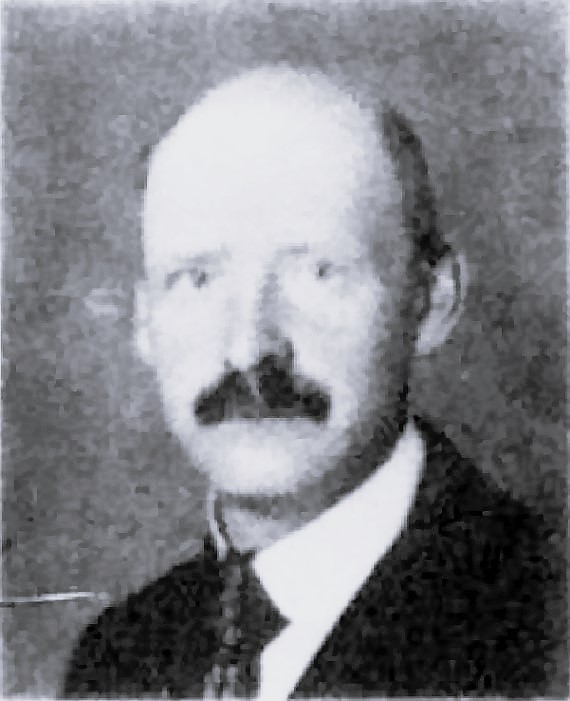
Gustav Radbruch 1878 – 1949
Biography
Born in the maritime tradition of Lübeck, Gustav Radbruch became a towering figure in German law and politics, navigating his nation through its most turbulent decades. His career spanned the seismic shifts of modern German history—from imperial rule through revolution, democracy, and authoritarian collapse—making him a central player in the country’s legal and political struggles.
Radbruch’s decades-long commitment to public service in law and governance left an indelible mark on German intellectual life. He engaged directly with the foundational questions tearing through his society, bringing rigorous thought to the practical challenges of building and maintaining justice systems amid chaos. His work reflected both principled conviction and pragmatic engagement with power.
He died in Heidelberg on November 23, 1949, just two days shy of his seventy-first birthday, and was buried at Bergfriedhof. Radbruch’s nearly seven decades of life made him a living witness to Germany’s most consequential transformations—a scholar and statesman whose legacy endured long after the nation itself was remade.
Cemetery Map
View larger map →Satellite overview of the cemetery grounds.