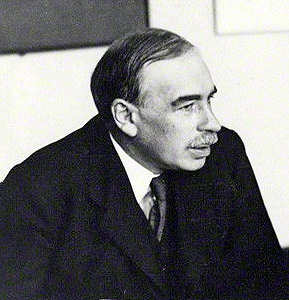
Gustav Ritter von Kahr 1862 – 1934

Biography
Gustav Ritter von Kahr carved his legacy across one of history’s most volatile chapters—a Bavarian political heavyweight who navigated the treacherous terrain of early twentieth-century German governance with the dexterity of a seasoned operator. Born into privilege in 1862, von Kahr rose through the ranks to become a central player in the political machinery of his era, wielding influence across multiple governmental systems as Germany itself lurched from empire to republic to dictatorship.
His career placed him squarely in the eye of the storm during Germany’s most turbulent decades. Von Kahr remained a fixture in public service, shaping political discourse and policy even as the ground shifted beneath his feet—a testament to his political acumen and resilience. Yet his prominence could not shield him from the forces he’d helped navigate. On June 30, 1934, von Kahr died at Dachau concentration camp, his life concluding amid the very darkness that had engulfed the nation. He was buried at Nordfriedhof in Munich, a final resting place that marks both an end and a historical puzzle—a complex figure from a complex time.
Cemetery Map
View larger map →Satellite overview of the cemetery grounds.