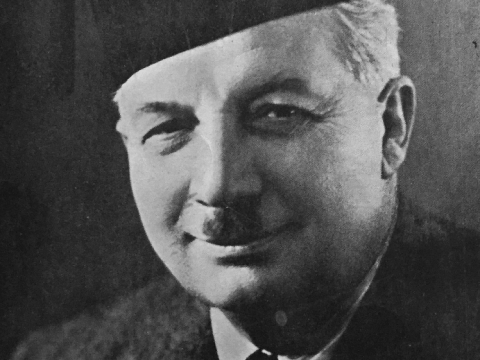
Habibullah Khan 1872 – 1919
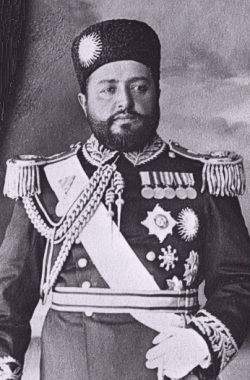
Biography
Born in the storied Silk Road city of Samarkand in 1872, Habibullah Khan rose to become Emir of Afghanistan—a position that thrust him into the treacherous geopolitical arena of late-nineteenth-century Central Asia. His reign marked a pivotal moment when Afghanistan had to balance the weight of imperial pressures from neighboring superpowers while managing internal demands for modernization. Khan commanded one of Asia’s most strategically significant nations during an era of unprecedented transformation.
Khan’s leadership navigated the razor’s edge between tradition and reform, steering Afghanistan through nearly five decades of mounting regional tensions and social upheaval. His tenure reflected the complex challenge of preserving national sovereignty while engaging with contemporary movements reshaping the Afghan state. When he died on February 20, 1919, after nearly fifty years at the helm, Afghanistan lost a figure whose political acumen had defined the nation’s modern trajectory. Laid to rest in Kabul, Khan’s legacy endures as a defining force in Afghan history.
Cemetery Map
View larger map →Satellite overview of the cemetery grounds.