Hans Lippershay 1570 – 1619
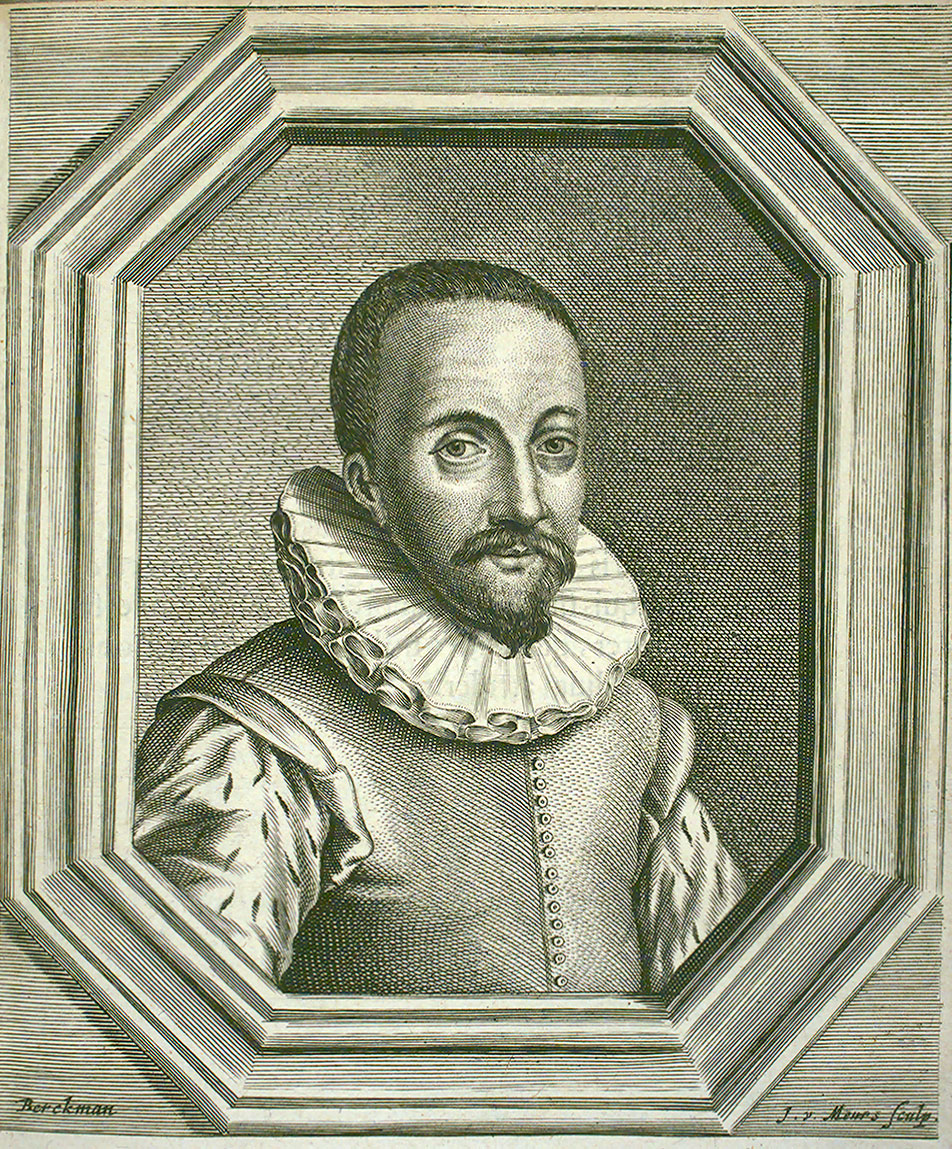
Biography
In early 1600s Middelburg, a German-Dutch spectacle-maker named Hans Lippershay was grinding and shaping lenses with meticulous precision, perfecting a craft that would reshape how humanity sees the cosmos. Working in an era when optical science was still raw and experimental, Lippershay possessed rare mastery over lens-making—the technical wizardry needed to bend light and magnify the invisible. His workshop became a laboratory of innovation during the Dutch Golden Age, when demand for visual aids was exploding and craftsmen like him were pushing the boundaries of what lenses could do.
Lippershay’s fingerprints were on one of the seventeenth century’s most transformative breakthroughs in optical instruments, a moment when humanity’s understanding of the visual world fundamentally shifted. Though history has left many details of his life shrouded in mystery—including where he was buried—his contributions to lens-making secured his legacy as a pioneer of the craft. Lippershay died in Middelburg on September 1, 1619, having spent a lifetime in service to optical innovation during a pivotal era of scientific discovery.