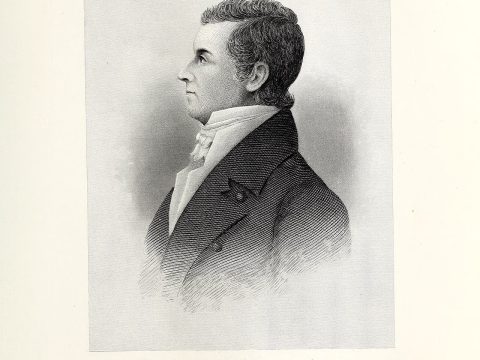
Harry Dexter White 1892 – 1948
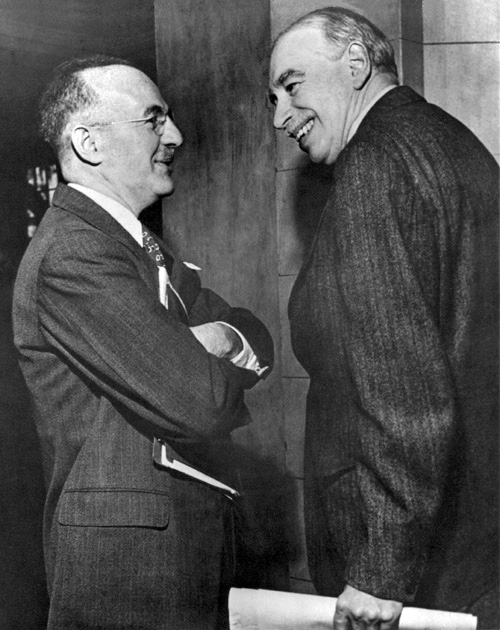
Biography
Harry Dexter White emerged from Boston to become one of the twentieth century’s most influential—and controversial—architects of American economic power. As a brilliant economist who rose to positions of extraordinary influence during World War II and its aftermath, White shaped the financial institutions and policies that would define the postwar world. His intellect was formidable, his ambition boundless, and his reach extended into the highest levels of government decision-making during history’s most pivotal moments.
Yet White’s legacy remains fiercely contested. His career unfolded against the backdrop of escalating Cold War tensions and ideological suspicion, placing him at the volatile intersection of economics, politics, and espionage concerns that consumed postwar Washington. White died in August 1948 at just fifty-five, leaving behind a complex historical footprint—one that scholars and historians continue to scrutinize and debate. His life and work remain emblematic of an era when the stakes of economic policy touched everything, and the loyalties of brilliant minds became weapons in a larger ideological struggle.