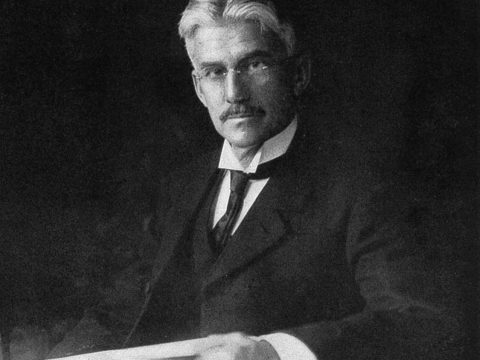
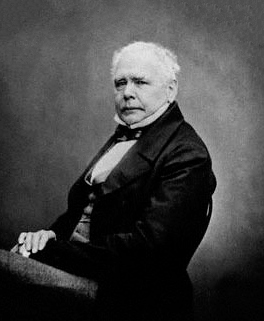
Heinrich Gerber 1832 – 1912
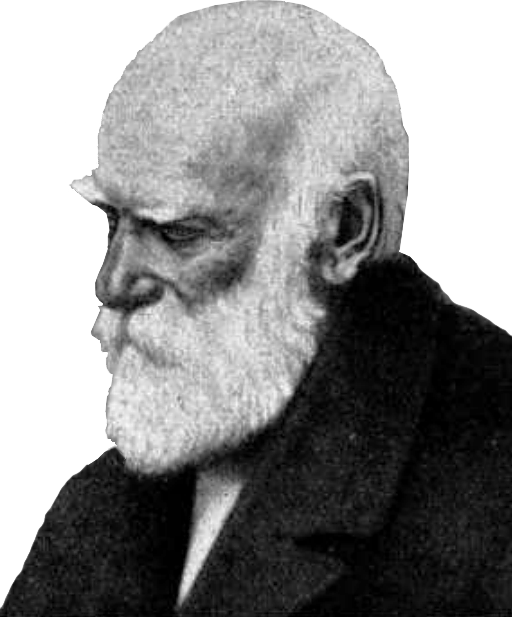
Biography
Heinrich Gerber was a pioneering German engineer whose work in the nineteenth century left a lasting mark on structural design and engineering practice. Born on November 18, 1832, in the Bavarian city of Hof, Gerber came of age during a period of rapid industrial transformation across Germany. His career unfolded against the backdrop of expanding railways, growing cities, and advancing technical knowledge that defined the era.
Throughout his professional life, Gerber devoted himself to solving the practical challenges of modern construction and infrastructure. His contributions to engineering reflected both rigorous technical thinking and an innovative spirit that pushed the boundaries of what was then possible. Based in Bavaria, he worked during a time when German engineering was gaining international recognition for its precision and excellence.
Gerber spent nearly eight decades witnessing and participating in the remarkable progress of his field. He passed away on January 3, 1912, in Munich, at the age of seventy-nine, having lived through an extraordinary period of technological and social change. His legacy endures as part of the broader heritage of German engineering achievement in the Industrial Age.