Henry VI, Count of Luxembourg 1240 – 1288
Biography
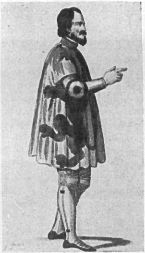
Henry VI, Count of Luxembourg, inherited one of medieval Europe’s most coveted power bases when he took control of the Luxembourg territories in the mid-13th century. Born in 1240, this nobleman spent nearly five decades navigating the treacherous politics of the Holy Roman Empire, where strategic positioning meant everything. His real achievement? Keeping Luxembourg relevant and independent during an era when smaller territories were being swallowed whole by larger powers.
Little survives about his specific triumphs or scandals—a common fate for medieval nobles whose deeds weren’t deemed worthy of scribes’ parchment. Yet Henry VI’s steady hand on the tiller mattered. He maintained his family’s grip on these critical lands nestled between competing powerbrokers, ensuring the Luxembourg dynasty would continue to matter in European politics for generations to come.
When Henry died in Cologne on June 12, 1288, he left behind a legacy of stability. In a century marked by upheaval and realignment, that quiet continuity was no small feat. He may have faded from popular memory, but this count’s careful stewardship kept an entire region’s future alive.