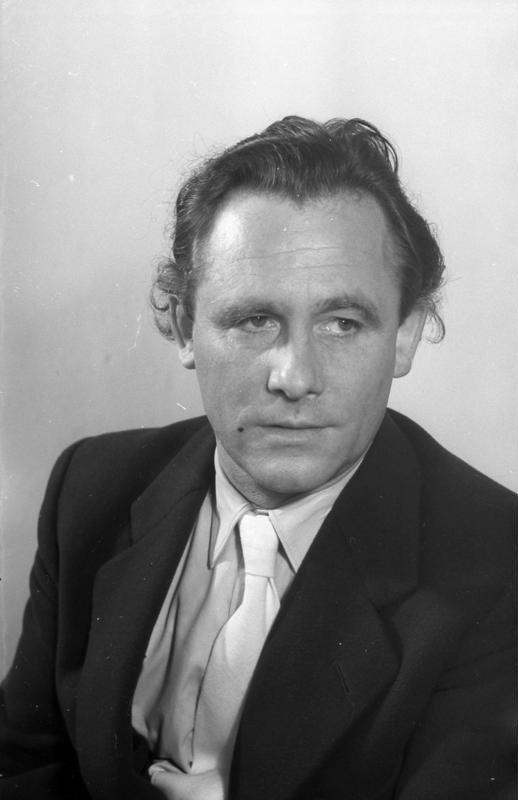
Hermann Henselmann 1905 – 1995
Biography
Hermann Henselmann shaped the architectural identity of East Germany with a bold vision that blended Soviet modernism with humanist design principles. Born in 1905, the German architect became the driving force behind some of the GDR’s most iconic structures, refusing to let ideology flatten his creative ambitions. His buildings weren’t just concrete monuments—they were statements about how people could live in a reimagined society.
Working through one of history’s most fractured eras, Henselmann demonstrated that architecture could speak multiple languages at once. His designs balanced the era’s political imperatives with genuine concern for urban living, earning him recognition as one of the 20th century’s most consequential modernist voices. When he died in Berlin in 1995, he left behind a legacy etched into the cityscape—buildings that continue to provoke debate about aesthetics, politics, and purpose.
Cemetery Map
View larger map →Satellite overview of the cemetery grounds.