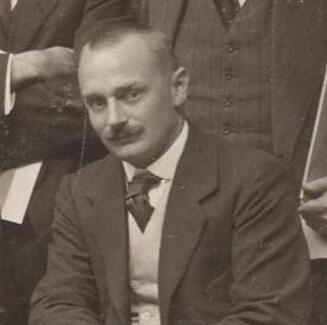
Hsu Shih-chang 1855 – 1939
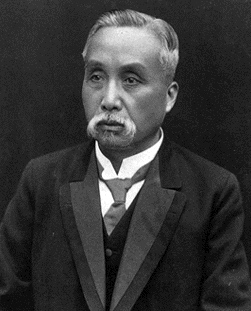
Biography
Hsu Shih-chang rose to prominence as one of early Republican China’s most consequential political leaders, ascending to the presidency during a turbulent period when the young nation was still finding its footing. Born in 1855 during the waning days of imperial rule, he navigated the seismic shift from dynasty to republic with a career spanning both administrative and political spheres, cementing his legacy as a key architect of China’s modern governance.
His leadership reflected the immense complexity of steering a modernizing nation through ideological upheaval and institutional transformation. Hsu’s tenure represented a critical moment in China’s political development, as the republic grappled with consolidating power and establishing legitimacy across a fractured landscape. His influence extended across multiple domains of administration, marking him as an indispensable figure in the republic’s formative years.
Living nearly a century, Hsu witnessed the entire arc of China’s metamorphosis from imperial empire to modern state—a transformation few were positioned to shape as directly as he did. He spent his final years in Tianjin before his death in 1939, leaving behind a complex political legacy that remains central to understanding how modern China took root.