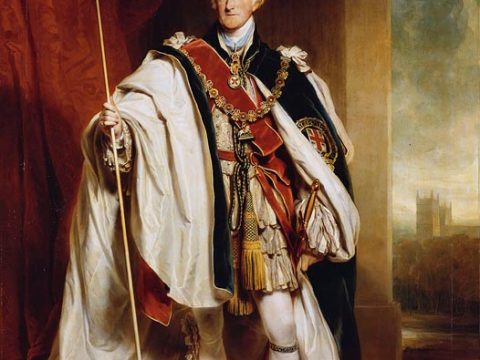
Hu Shih 1891 – 1962

Biography
Born into Shanghai’s intellectual ferment in 1891, Hu Shih became the architect of modern Chinese thought—a philosopher, writer, and cultural provocateur who fundamentally reshaped how his nation understood itself. He wasn’t content to preserve tradition; instead, he interrogated it, championed linguistic reform, and became the intellectual voice of twentieth-century China’s transformation. His ideas rippled through literature, philosophy, and public discourse, making him impossible to ignore in any conversation about Eastern modernism.
Hu Shih spent decades wrestling with the big questions: how could China embrace progress without abandoning its heritage? His scholarship and prolific writing offered provocative answers that challenged both rigid conservatism and blind Westernization. He stood as a towering figure in an era of seismic cultural shifts, a thinker who refused easy compromises.
He carried his intellectual mission to Taiwan, where he continued his work until his death in 1962. Honored with Dr. Hu Shih Park in Zhongyan Village, his final resting place reflects a life devoted entirely to knowledge and enlightenment. Decades later, scholars still return to his ideas—proof that his legacy transcends borders and generations.
More Images

Cemetery Map
View larger map →Satellite overview of the cemetery grounds.