Huldrych Zwingli 1484 – 1531
Biography
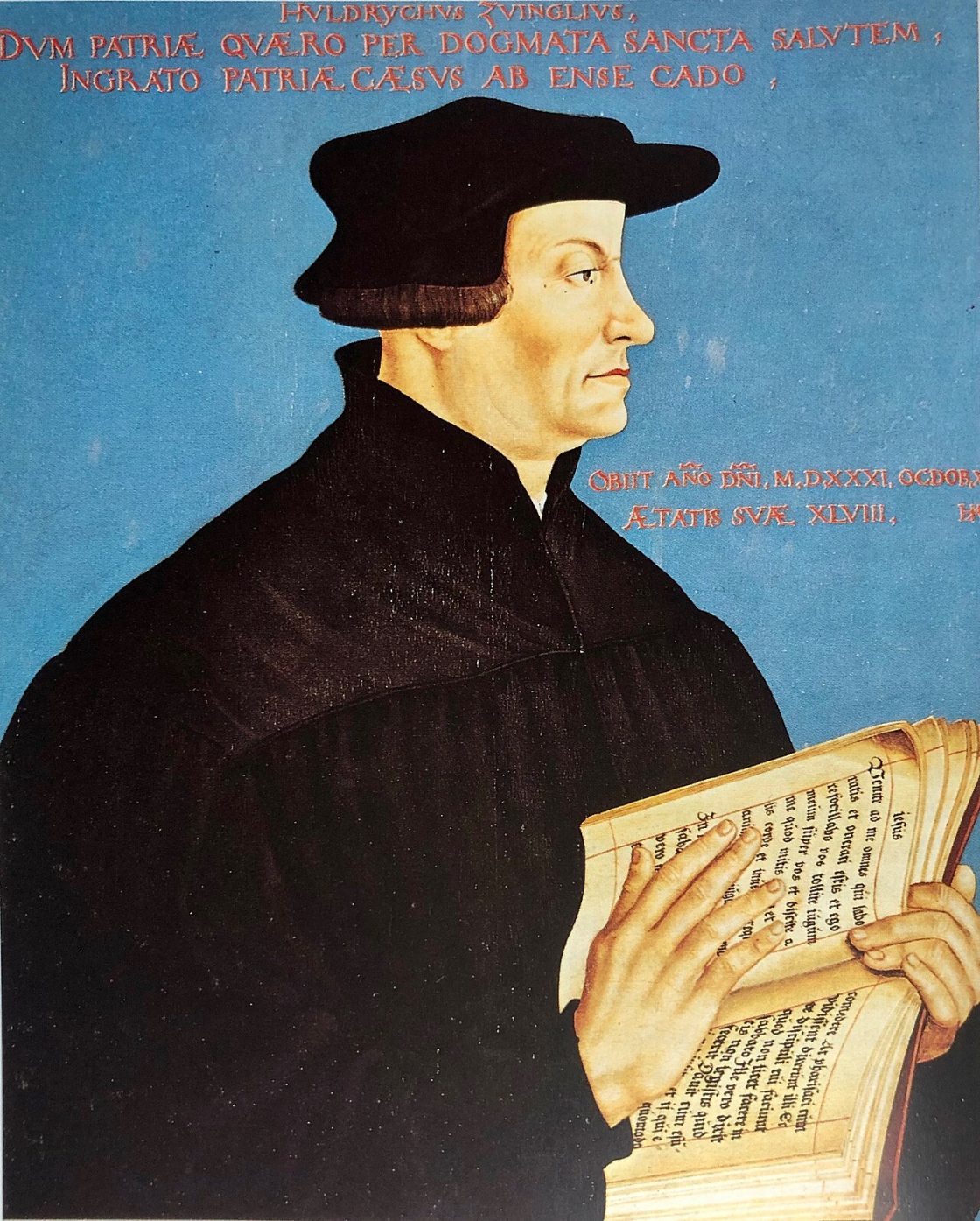
From a remote Alpine village to the pulpit of Zurich’s Great Minster, Huldrych Zwingli blazed a radical path through 16th-century Europe. Born in 1484 in Wildhaus, Switzerland, this firebrand clergyman became the theological architect of Swiss Protestantism, rivaling even Martin Luther in ambition and theological innovation. His fierce intellect and uncompromising vision transformed Zurich into a Protestant powerhouse, establishing the Swiss Reformed Church and fundamentally reshaping the continent’s religious identity.
Zwingli’s genius lay in merging humanist scholarship with revolutionary theology, creating a distinctly Swiss brand of reform that challenged both Rome and competing Protestant voices. His relentless push for spiritual renewal—from stripping church ornament to reimagining the Eucharist—made him a commanding presence at the Reformation’s frontlines. He commanded devotion from followers and fierce opposition from enemies in equal measure.
On October 21, 1531, Zwingli’s extraordinary journey ended at Kappel am Albis, but his institutional legacy endured. The Swiss Reformed Church he birthed would shape Protestant Europe for centuries, cementing him as one of history’s most consequential religious visionaries. His name remains synonymous with Swiss independence and theological courage.