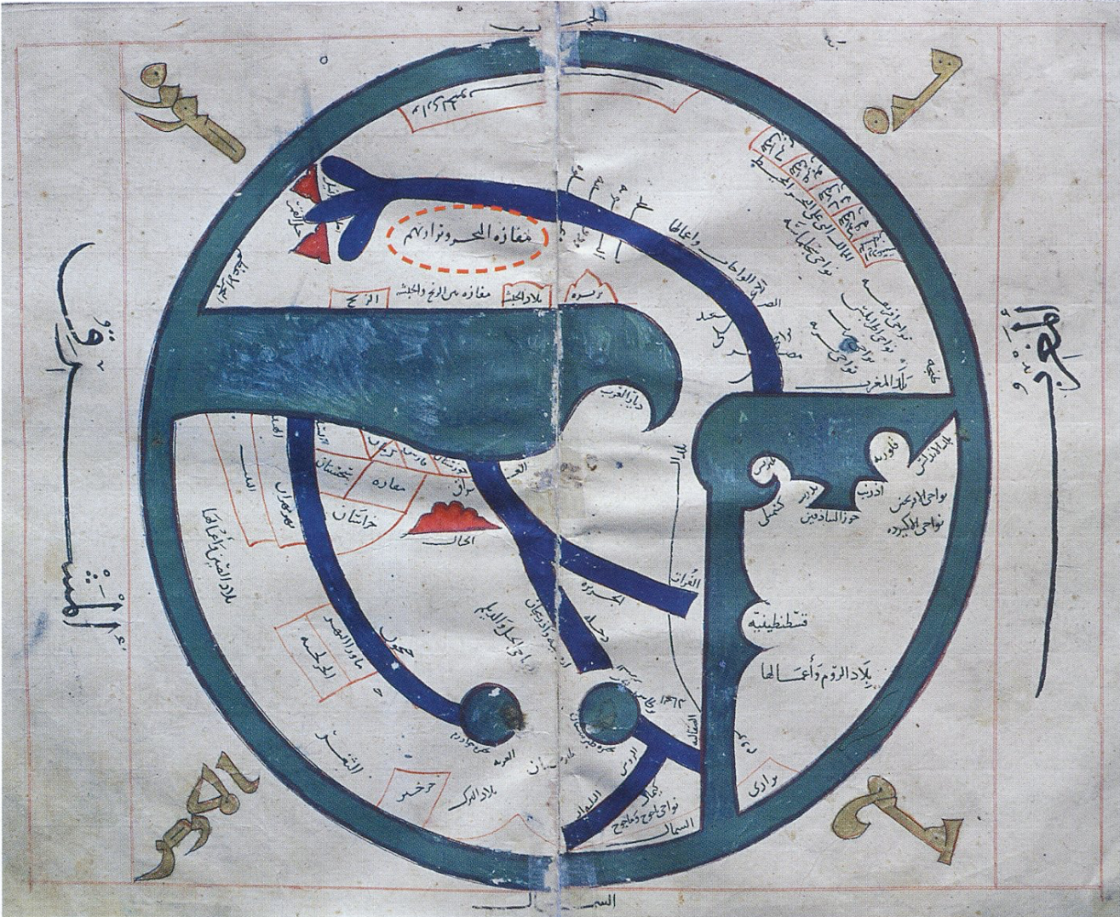
Ibn Hawqal 943 – 977
Biography
A 10th-century Arab writer and geographer, Ibn Hawqal became the era’s most influential mapmaker of trade routes and cultural geography. Born in 943 in Nusaybin, Upper Mesopotamia—a strategic crossroads between civilizations—he transformed raw observation into intellectual gold. His meticulous documentation of landscapes, markets, and peoples created an invaluable snapshot of the medieval Islamic world when such systematic geographic study was virtually nonexistent.
Ibn Hawqal’s genius lay in precision. While other scholars speculated, he recorded. His travel writings and geographical treatises became the reference texts that scholars copied, debated, and built upon for centuries. He captured not just where places were, but how they connected through commerce and culture—a revolutionary approach that essentially invented geographic journalism as a discipline.
Hawqal died in 977 at just 34, his life tragically brief. Yet his legacy proved immortal. Generations of Islamic scholars revered his work, cementing him as a foundational figure in medieval geography. His meticulous eye reshaped how the world understood itself.
Cemetery Map
View larger map →Satellite overview of the cemetery grounds.