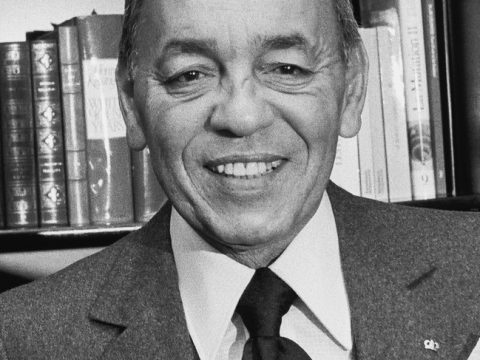
Ibrahim Njoya 1876 – 1933

Biography
Ibrahim Njoya commanded one of West Africa’s most influential kingdoms during a transformative era. As King of Bamum, he ruled Foumban with visionary ambition, earning renown as a modernizer who refused to be confined by colonial pressures. His reign marked a pivotal moment when African leadership embraced innovation without surrendering sovereignty—a rare and powerful stance in the early 20th century.
But Njoya’s true genius lay in his cultural inventiveness. He created Bamum script, a distinctive writing system that gave his people a literary voice independent of colonial languages. This wasn’t mere nostalgia; it was a bold assertion of intellectual autonomy. He also championed craft traditions, palace architecture, and artistic patronage that became hallmarks of Bamum identity. His court became a center of creative flourishing, attracting scholars and artists who recognized something revolutionary happening in Foumban.
Njoya’s legacy rippled far beyond his kingdom’s borders, influencing how African nations would later approach cultural preservation and resistance. When he died in Yaoundé in 1933, he left behind not just a kingdom, but a model of how tradition and progress could coexist—a vision that still resonates today.