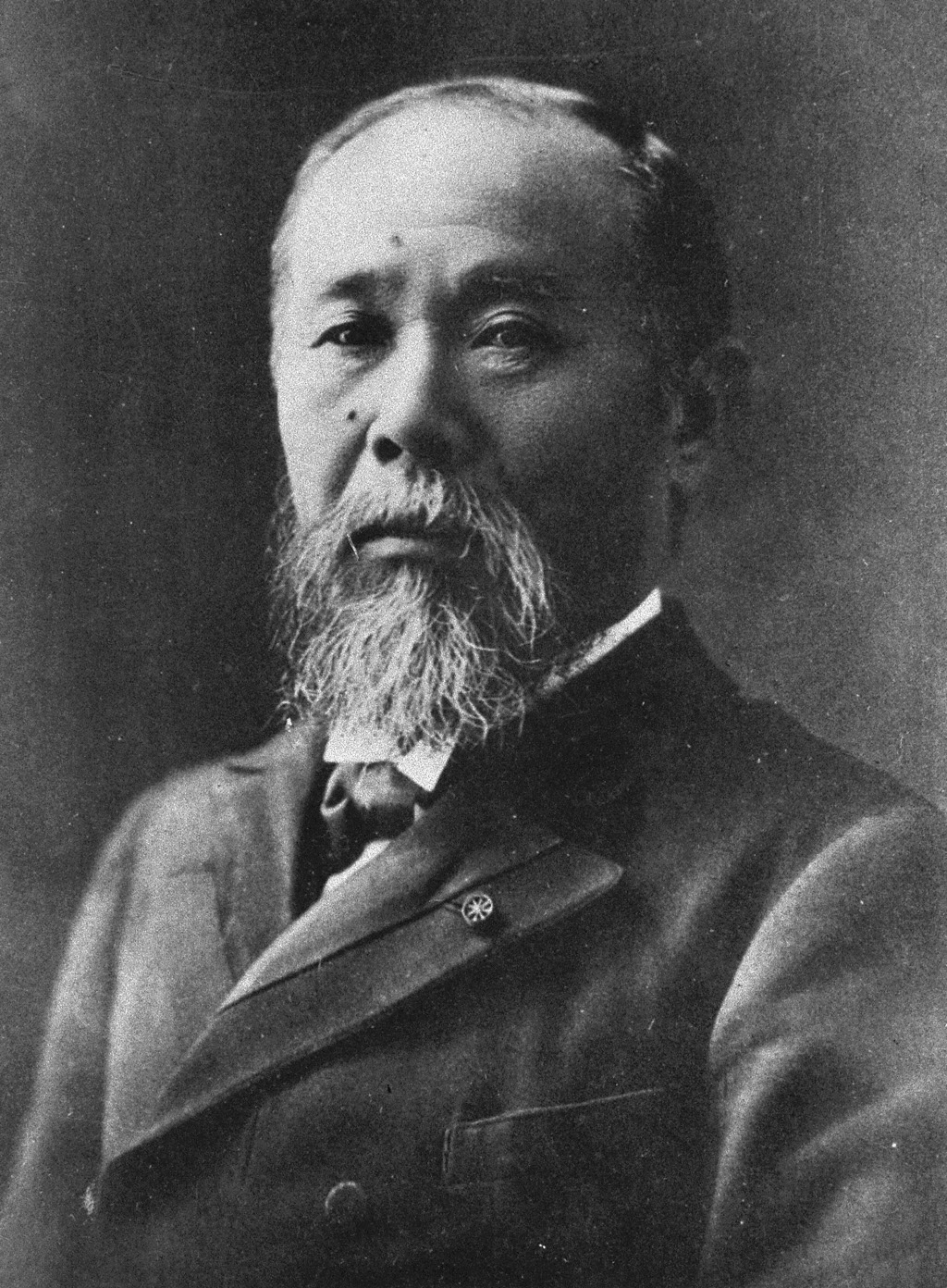
Itō Hirobumi 1841 – 1909
Biography
Born into Japan’s turbulent Bakumatsu period, Itō Hirobumi became the architect of modern Japanese governance, steering the nation through its most radical transformation. He claimed the Prime Minister’s office four times—an unprecedented feat that underscored his iron grip on the country’s political machinery during the Meiji era. His fingerprints were everywhere: modernizing institutions, navigating international diplomacy, and consolidating imperial power when Japan needed it most.
Itō’s influence extended far beyond parliamentary maneuvering. He was the masterbuilder of Japan’s political infrastructure, crafting frameworks that would define the nation for generations. His repeated resurrections to the top job proved he was the indispensable man—the one everyone called when the stakes got highest and the problems most intractable.
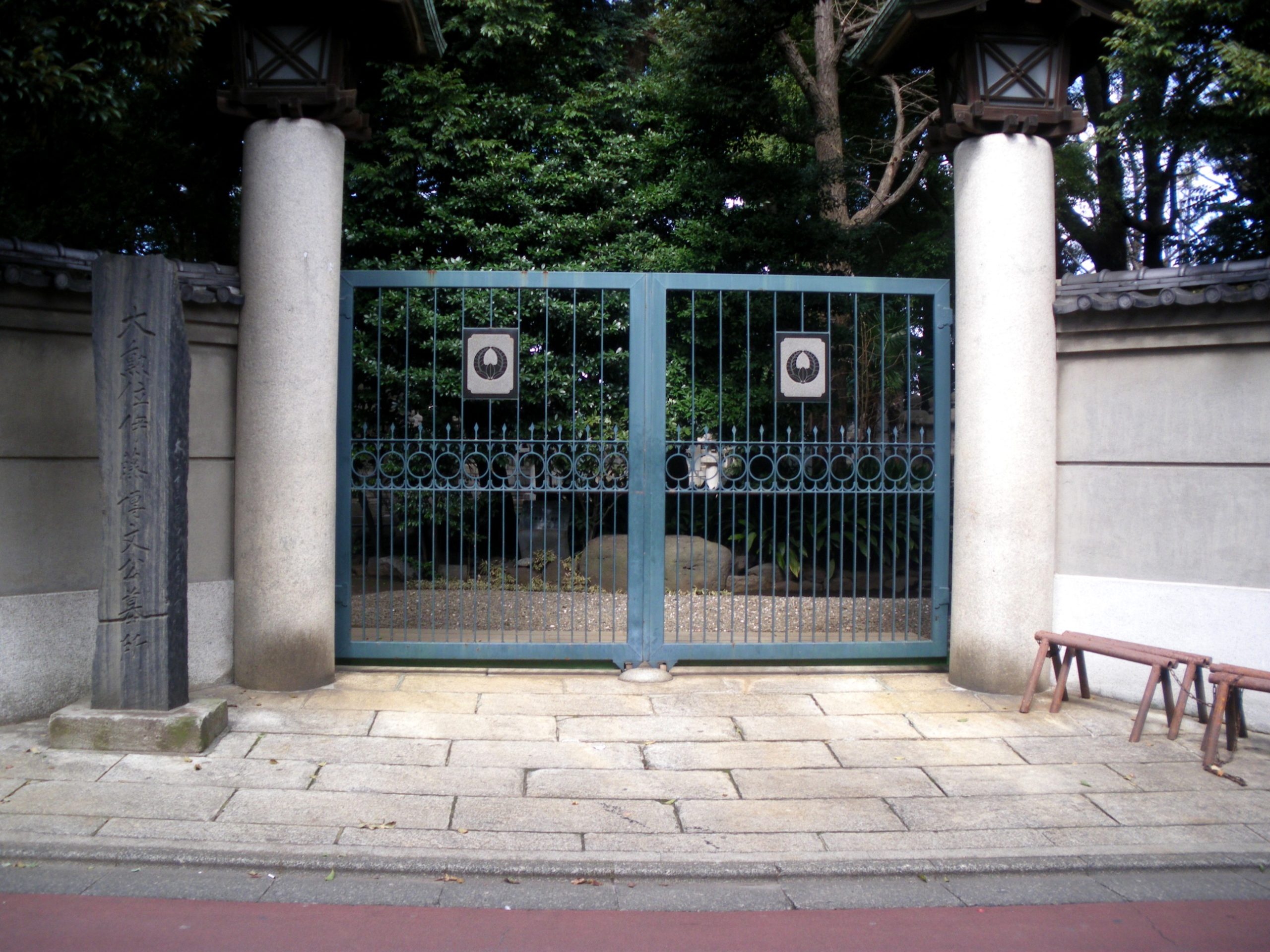
On October 26, 1909, an assassin’s bullet at Harbin railway station ended Itō’s extraordinary run at 67. His death shocked Japan and rippled across Asia, a violent full stop to one of history’s most consequential political careers. He was laid to rest at Nishiōi in Tokyo, his legacy cemented as one of Japan’s most consequential figures.
More Images
Cemetery Map
View larger map →Satellite overview of the cemetery grounds.