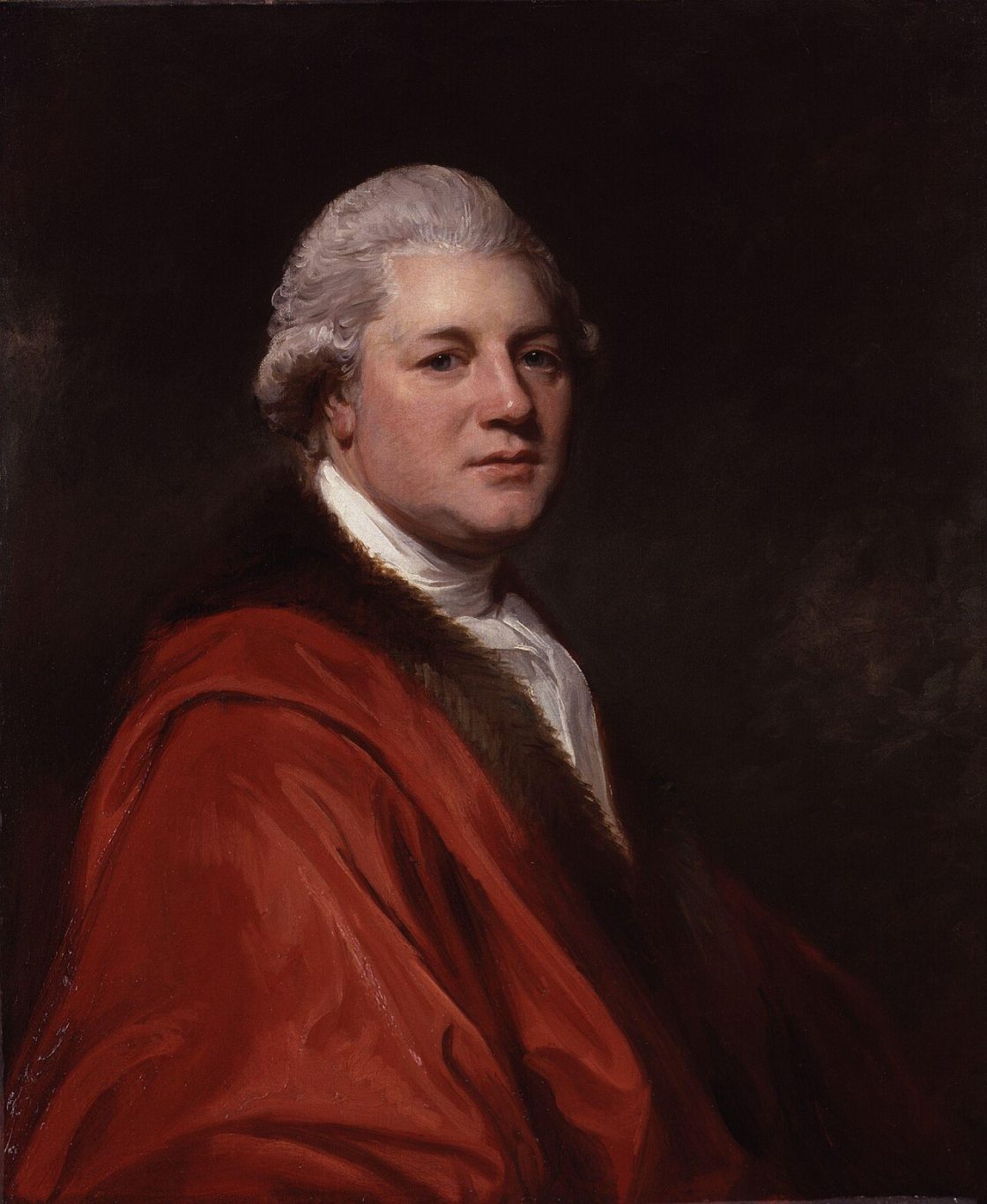
James Macpherson 1736 – 1796
Biography
The 18th century’s most controversial literary sensation, James Macpherson ignited a firestorm with his “translations” of ancient Gaelic poetry. The Scottish writer claimed to have discovered epic works by the legendary bard Ossian—sweeping tales of warriors and romance that captivated European readers and sparked decades of heated debate. Whether authentic archaeology or audacious forgery, Macpherson’s Ossian publications became the era’s most talked-about literary event, influencing Romantic poets across the continent and reshaping how Britain viewed its Celtic heritage.
Beyond the literary battlefield, Macpherson proved himself a shrewd political operator, transitioning from poet to parliamentarian with characteristic ambition. He wielded considerable influence in both creative and governmental circles, publishing works that traversed translation, poetry, and political commentary. His career embodied the 18th-century intellectual’s appetite for crossing disciplinary boundaries—from crafting verse to shaping policy.
When Macpherson died in 1796, his legacy remained as contested as his greatest triumph. Yet his influence was undeniable: he’d reshaped Romantic literature and sparked passionate scholarly discourse that endured long after his death. Westminster Abbey’s honor—interring him among Britain’s immortals—acknowledged his outsized cultural impact, regardless of authenticity.
Cemetery Map
View larger map →Satellite overview of the cemetery grounds.