Jan Brueghel the Elder 1568 – 1625
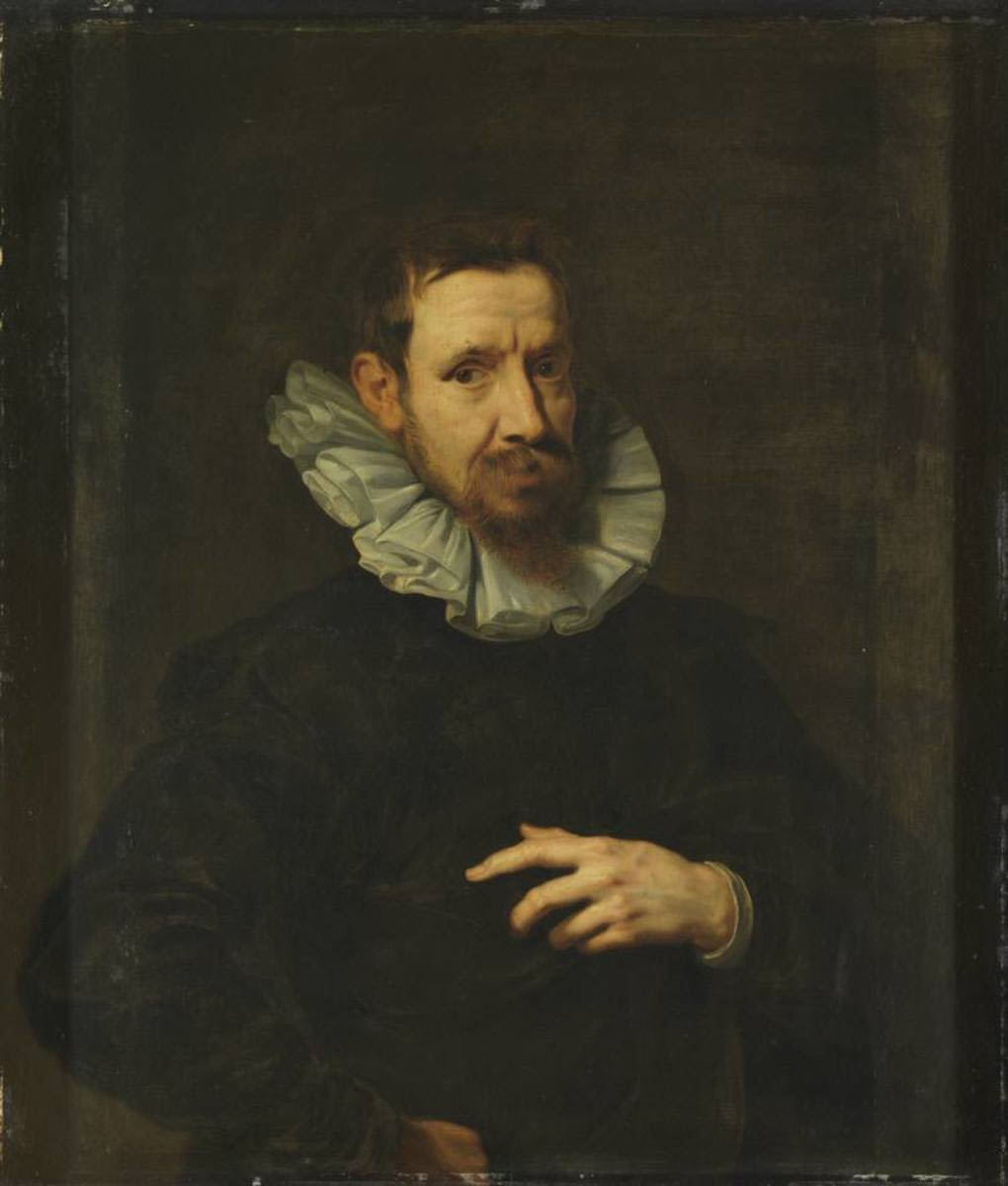
Biography
Born into Brussels’s golden age of Flemish art, Jan Brueghel the Elder became one of the Renaissance’s most celebrated painters. Working during the explosive late 1500s and early 1600s, he established himself as a cornerstone of Northern European creativity, anchoring his prolific career in Antwerp—the continent’s artistic powerhouse. His decades-long output cemented the Brueghel name as synonymous with Flemish mastery during an era when the Southern Netherlands dominated European culture.
Brueghel spent a lifetime building his reputation as a serious, respected voice in painting. Operating at the intersection of Renaissance refinement and Baroque innovation, he helped define what made Flemish art the envy of Europe. His work rippled through the artistic community, influencing peers and younger talents who looked to Antwerp as their creative north star.
In January 1625, cholera claimed the 57-year-old painter in the city where he’d built his empire. Though his burial site remains a mystery lost to time, Brueghel’s fingerprints endured throughout Flemish painting and the cultural legacy of the Low Countries—a testament to an artist who’d shaped an entire era.