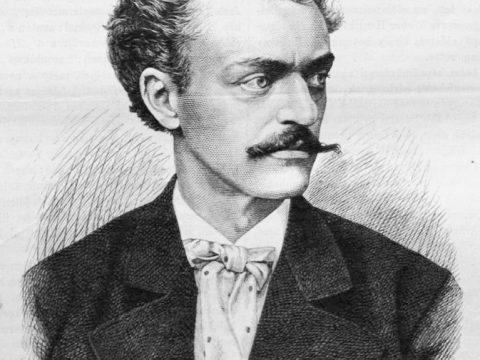
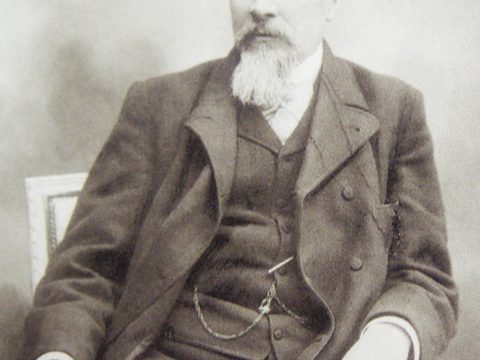
Jan Tschichold 1902 – 1974
Biography
Jan Tschichold revolutionized how the world sees print. The Leipzig-born designer didn’t just create beautiful layouts—he fundamentally rewired graphic design’s DNA, transforming it from decorative afterthought into a rigorous discipline. His obsessive pursuit of typographic perfection and grid-based systems became the blueprint that modern designers still follow, making him the unsung architect of visual order in everything from book design to corporate identity.
Working across Germany, Switzerland, and beyond, Tschichold proved that design wasn’t about artistic flourish—it was about clarity, purpose, and restraint. He championed sans-serif typefaces and asymmetrical layouts when most of the design world clung to tradition, essentially inventing the visual language of modernism. His design manifestos weren’t academic exercises; they were battle cries that changed how professionals thought about space, hierarchy, and communication itself.
By the time Tschichold settled in Locarno, Switzerland, his influence had already permeated the entire industry. When he died in 1974, he left behind a complete philosophy—radical, uncompromising, and utterly timeless. Today’s sleek apps, book jackets, and corporate branding all whisper his name. Tschichold proved that great design isn’t decoration; it’s invisible architecture that makes the world make sense.