Jean Metzinger 1883 – 1956
Biography
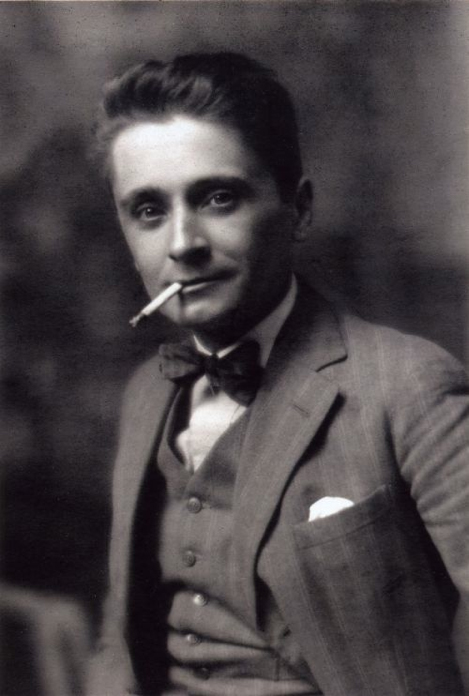
Jean Metzinger emerged as one of early modernism’s most fearless experimenters, a French painter who helped shatter the rules of traditional representation. Born in Nantes in 1883, he positioned himself at the epicenter of Paris’s revolutionary art scene, where he became instrumental in developing Cubism—the seismic artistic movement that fractured perspective and reassembled reality on canvas. His theoretical contributions and bold visual innovations made him a key architect of twentieth-century modernism, influencing how artists worldwide approached form, space, and perception.
Metzinger’s career spanned the most transformative decades in art history, from Post-Impressionism through the avant-garde ferment of mid-century. He didn’t just follow artistic currents; he helped generate them, working alongside the era’s most daring visionaries. His commitment to pushing painting’s boundaries—constantly adapting, experimenting, and evolving—defined his prolific practice. When he died in Paris in 1956, Metzinger left behind a revolutionary body of work that fundamentally changed how modern art could be made and seen.