Joaquín Torres-García 1874 – 1949
Biography
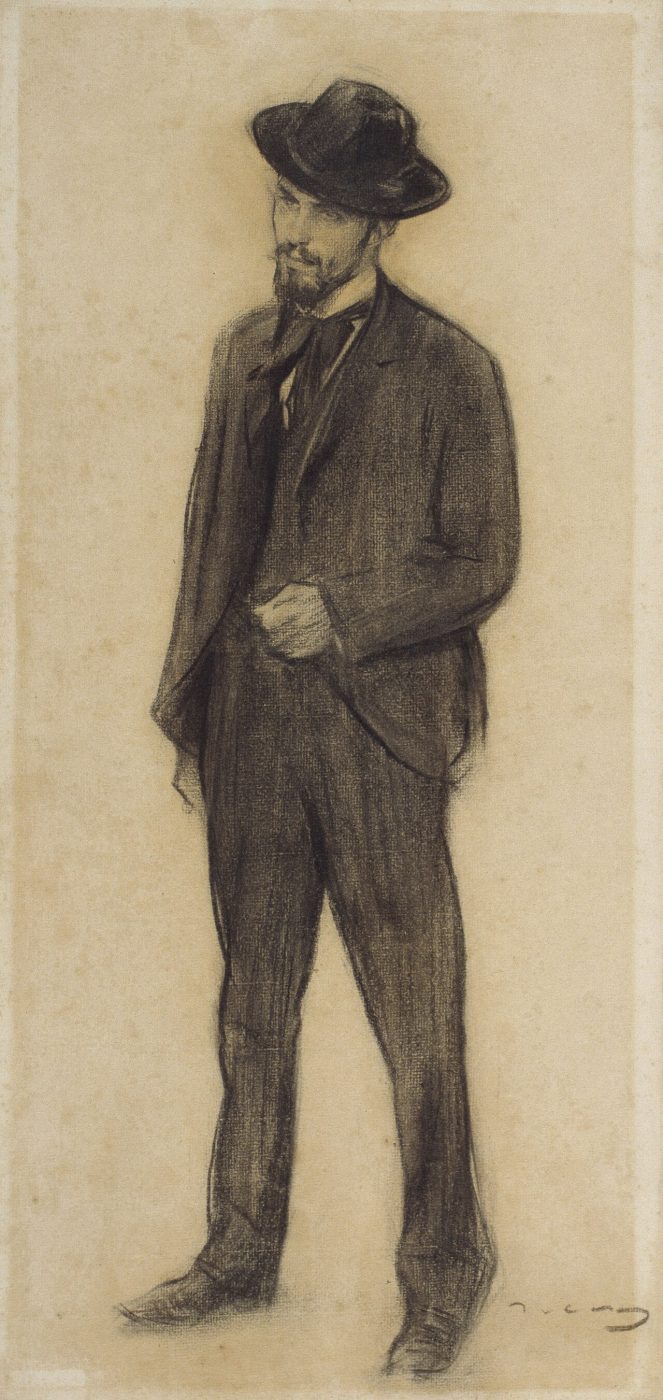
Joaquín Torres-García was born on July 28, 1874, in Montevideo, where he would spend much of his life engaged in artistic pursuits. A multifaceted creative figure, he distinguished himself as a painter, sculptor, writer, and theorist whose contributions shaped modern art across the twentieth century. His identity bridged two cultures—Spanish heritage and Uruguayan roots—reflecting the cosmopolitan artistic currents that influenced his work and philosophy.
Throughout his career, Torres-García developed a profound intellectual approach to art, moving beyond traditional aesthetics to explore new theoretical frameworks. His roles as both maker and theorist allowed him to influence not only through his own creations but also through his written reflections on artistic practice and meaning. He remained deeply connected to Montevideo, establishing himself as a significant figure within Uruguay’s cultural landscape.
Torres-García continued his artistic endeavors until his death on August 8, 1949, also in Montevideo. His life, spent almost entirely in the city of his birth, represents a dedication to developing a distinctive artistic vision rooted in his community. The legacy he left encompasses the tangible works he created and the theoretical contributions he made to understanding modern art’s evolution during a transformative period in cultural history.