Johann Christoph Friedrich Bach 1732 – 1795
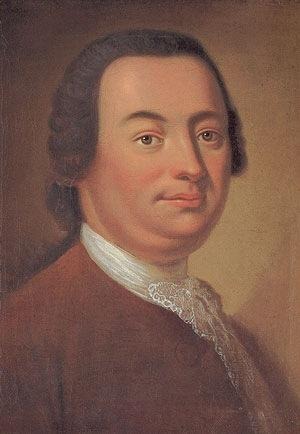
Biography
Born into Leipzig’s golden age of music in 1732, Johann Christoph Friedrich Bach inherited something precious—a name that meant mastery. As a composer and performer navigating the seismic shift from Baroque to Classical, he embodied a transitional genius, honoring his family’s legacy while embracing the fresh sensibilities reshaping European sound. His dual talents kept him at the heart of Germany’s vibrant musical scene.
Bach built his reputation as a musician who understood both worlds—the intricate counterpoint of the old guard and the emerging elegance of Classical form. He performed and composed with the sophistication his era demanded, earning respect within the German musical establishment. His work rippled through the sophisticated courts and concert halls of eighteenth-century Germany, contributing meaningfully to one of history’s most explosive creative periods.
When Bach died in Bückeburg on January 26, 1795, at sixty-two, he left behind six decades devoted entirely to his art. His grave there marks the final resting place of a musician who lived fully through one of music’s greatest transformations, bridging two worlds and helping shape the sound of modern Europe.
Cemetery Map
View larger map →Satellite overview of the cemetery grounds.