Johann Friedrich Overbeck 1789 – 1869
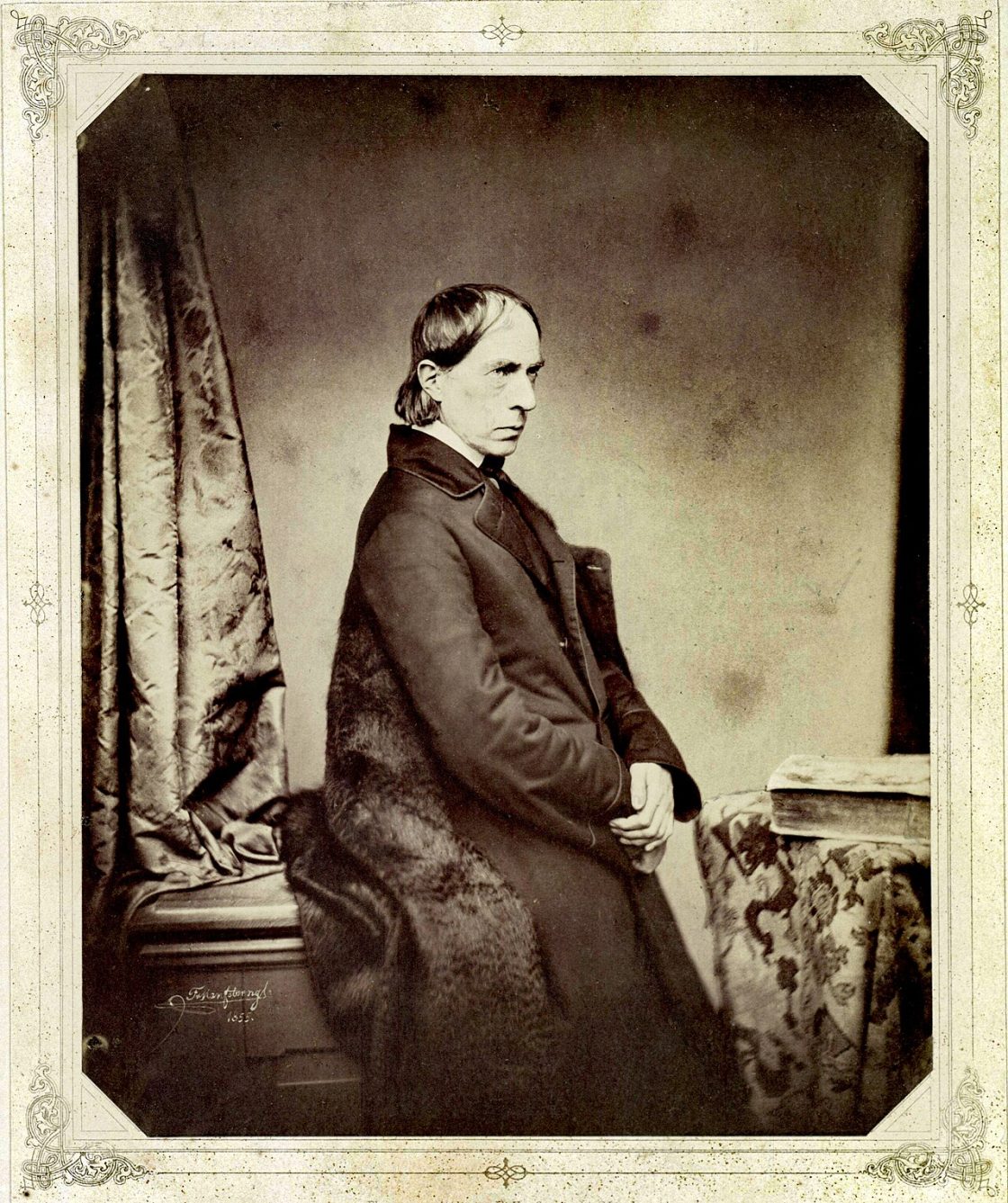
Biography
The Lübeck-born painter who fled industrial modernity for Renaissance ideals, Overbeck became the visionary leader of the Nazarene movement—a radical artistic brotherhood that rejected their era’s cold academicism in favor of spiritually charged, luminous works inspired by early Renaissance masters. His Rome studio became a pilgrimage site for artists seeking to marry technical brilliance with profound faith, establishing Overbeck as a counterculture icon who proved you could be intellectually rigorous and spiritually committed without apology.
For nearly five decades, this German-Italian maverick pursued an unfashionable path: meticulously crafted religious paintings when the art world chased novelty and experimentation. His unwavering conviction that painting could elevate the soul attracted devoted disciples and secured his influence across European artistic circles, even as critics dismissed his devotion as antiquated.
Overbeck died in Rome in 1869, buried at the sacred San Bernardo alle Terme—a cathedral resting place befitting a man who’d transformed his entire existence into an act of artistic and spiritual witness. His legacy remains uncompromising proof that vision, when paired with genuine conviction, transcends the era that birthed it.
Cemetery Map
View larger map →Satellite overview of the cemetery grounds.