Johann Hermann Schein 1986 – 1630
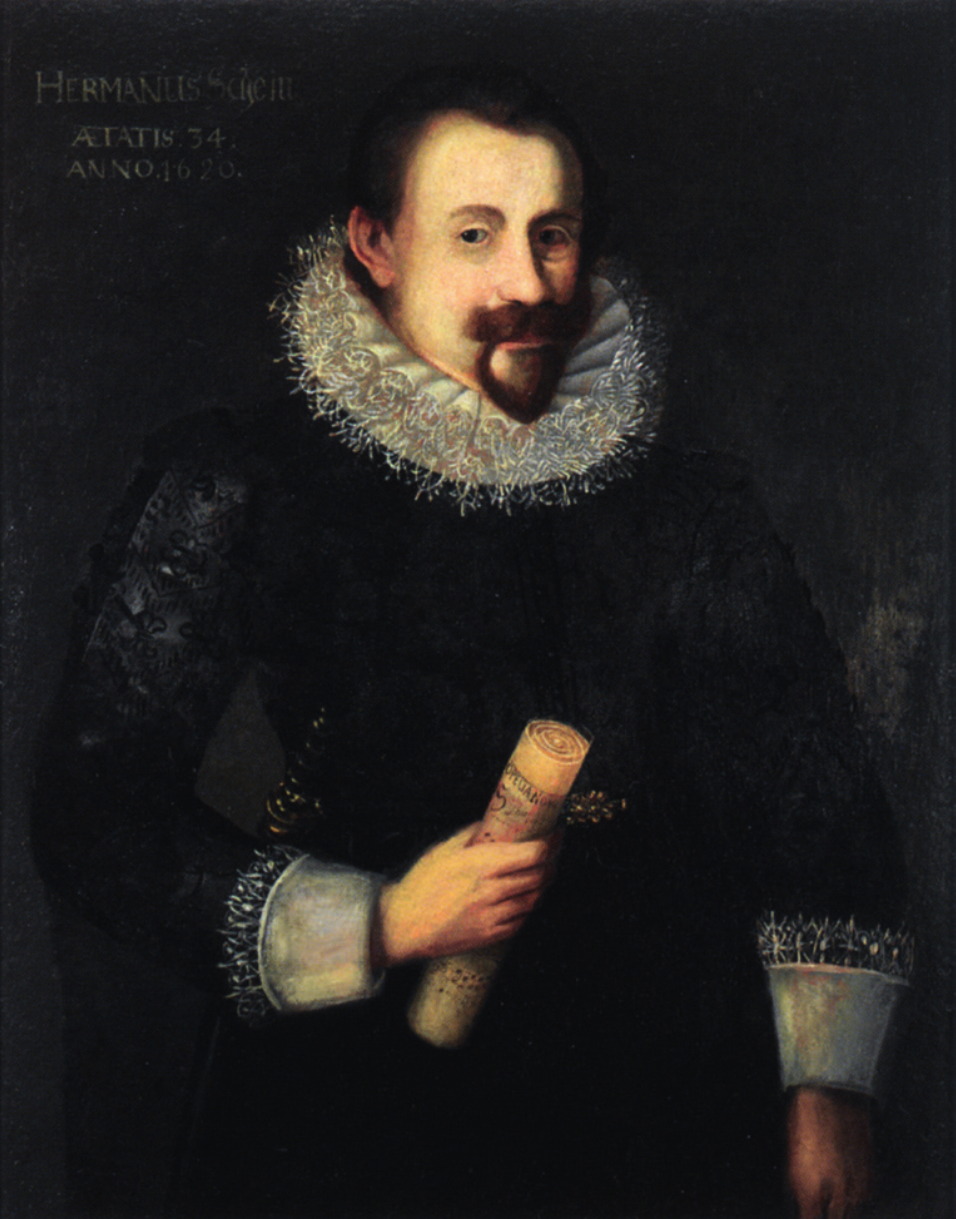
Biography
Born into Germany’s golden age of musical innovation, Johann Hermann Schein emerged as one of the Baroque era’s most prolific composers, revolutionizing German sacred music during a remarkably short but explosive career. His mastery of composition—blending Renaissance elegance with bold Baroque experimentation—earned him respect from peers and established him as a pivotal figure in shaping Central European musical tradition during the early 17th century.
Schein’s relentless creative output defined his legacy, crafting works that captured the artistic spirit of his turbulent era. Despite the constraints of his time and place, he produced a substantial body of compositions that reflected the innovations of late Renaissance and early Baroque styles, earning recognition among Europe’s musical elite and influencing generations of composers who followed.
Tuberculosis claimed Schein in Leipzig at just forty-four years old in 1630, cutting short a career that had already transformed German musical heritage. Though illness ended his life prematurely, the compositions he left behind endured, cementing his reputation as an essential architect of European Baroque music and a towering figure whose influence transcended his era.