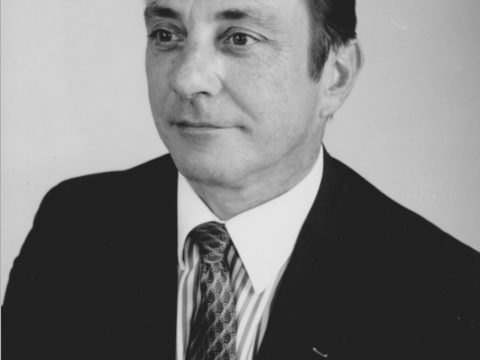
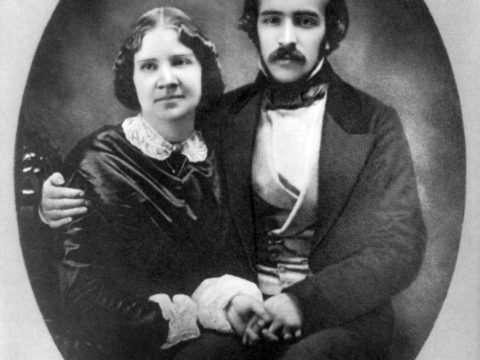
Johann Pachelbel 1653 – 1706
Biography
Johann Pachelbel was the keyboard virtuoso who transformed Baroque organ music from ornamental flourish into architectural masterpiece. Born in Nuremberg in 1653, this German composer and organist became the golden-era architect of keyboard technique—a man whose fingers on the organ and whose compositional innovations fundamentally rewired how European musicians thought about structure, harmony, and performance. He wasn’t just playing notes; he was building the blueprint that would echo through centuries.
What separated Pachelbel from his contemporaries was his dual mastery: he was equally formidable as a performer and pedagogue. His work at the organ wasn’t mere recital material—it was laboratory work, experimenting with form and harmonic progression in ways that felt radical for the time. But Pachelbel’s true genius lay in recognizing that knowledge demanded transmission. His role as teacher was as vital as his compositions; he cultivated the next generation, embedding his revolutionary approach into the DNA of Baroque musical practice.
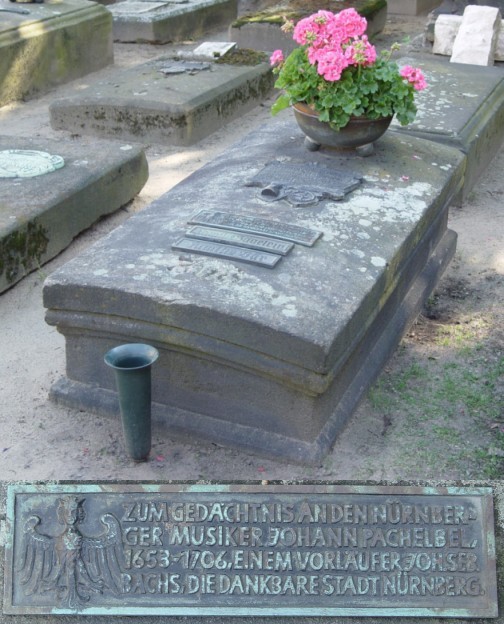
Pachelbel remained rooted in his native Nuremberg throughout his life, dying there in 1706 at fifty-two, his legacy interred at St. Rochus Cemetery. Though the specifics of his final days went unrecorded, what endured was undeniable: a composer who elevated keyboard music from accompaniment to art form, influencing musicians for generations to come.
More Images
Cemetery Map
View larger map →Satellite overview of the cemetery grounds.