Johann Peter Hebel 1760 – 1826
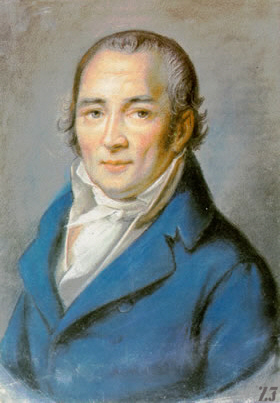
Biography
Johann Peter Hebel became a literary sensation by doing something revolutionary: he made dialect respectable. Born in 1760, this German writer elevated regional vernacular and everyday folk narratives into genuine art, proving that profound stories didn’t need fancy language—they needed authenticity. His dialectal poetry and short stories captured the soul of ordinary people with such grace and dignity that he essentially invented a new literary tradition.
What made Hebel’s work magnetic was his refusal to look down on his subjects. While other writers chased elevated themes, he found poetry in the lives of common folk and the rhythms of their speech. His ability to weave complex human truths into deceptively simple tales gave dialect literature the prestige it had always deserved, transforming regional voices from literary curiosities into respected artistic expressions.
Hebel’s final decades were spent in Schwetzingen, where he died in 1826. His influence rippled through generations of German writers who learned that authenticity—captured through the genuine language of real people—possessed a power no amount of pretension could match.