Johannes Brahms 1833 – 1897
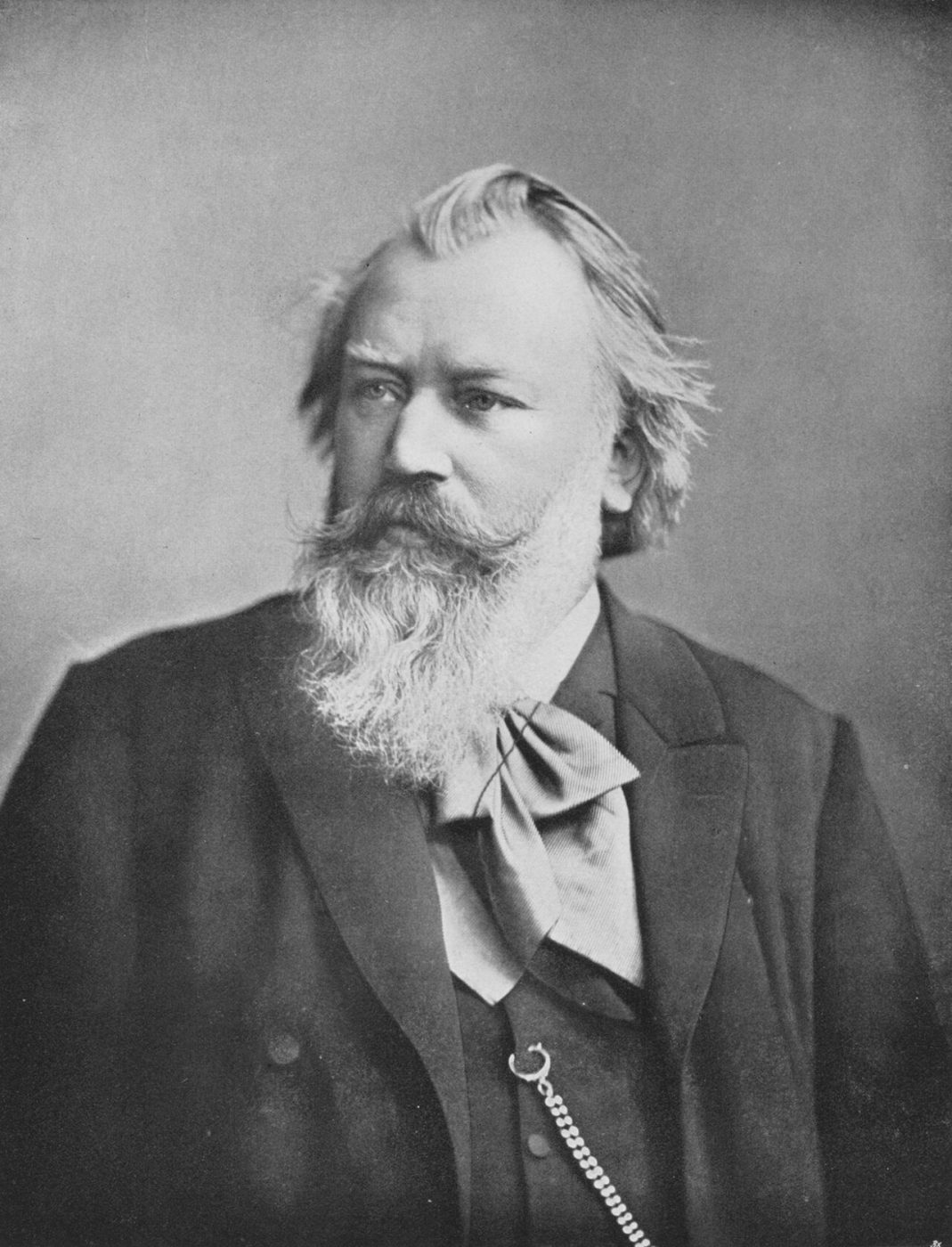
Biography
The man who would become one of history’s towering classical composers didn’t emerge from privilege—he clawed his way up from Hamburg’s working streets. Young Brahms, born in 1833, transformed raw musical talent into an iron will, absorbing everything the port city’s cultural crossroads could teach him. By his twenties, he was already turning heads across Europe as a pianist and composer of staggering promise.
Vienna became his empire. Brahms planted himself in Austria’s capital and refused to leave, becoming the city’s musical conscience during an era when Wagner and the avant-garde were reshaping the landscape. He composed with obsessive precision, creating symphonies, concertos, and chamber works that felt both rooted in classical tradition and boldly modern. His artistic vision was uncompromising—he destroyed works he deemed unworthy, leaving only masterpieces behind.
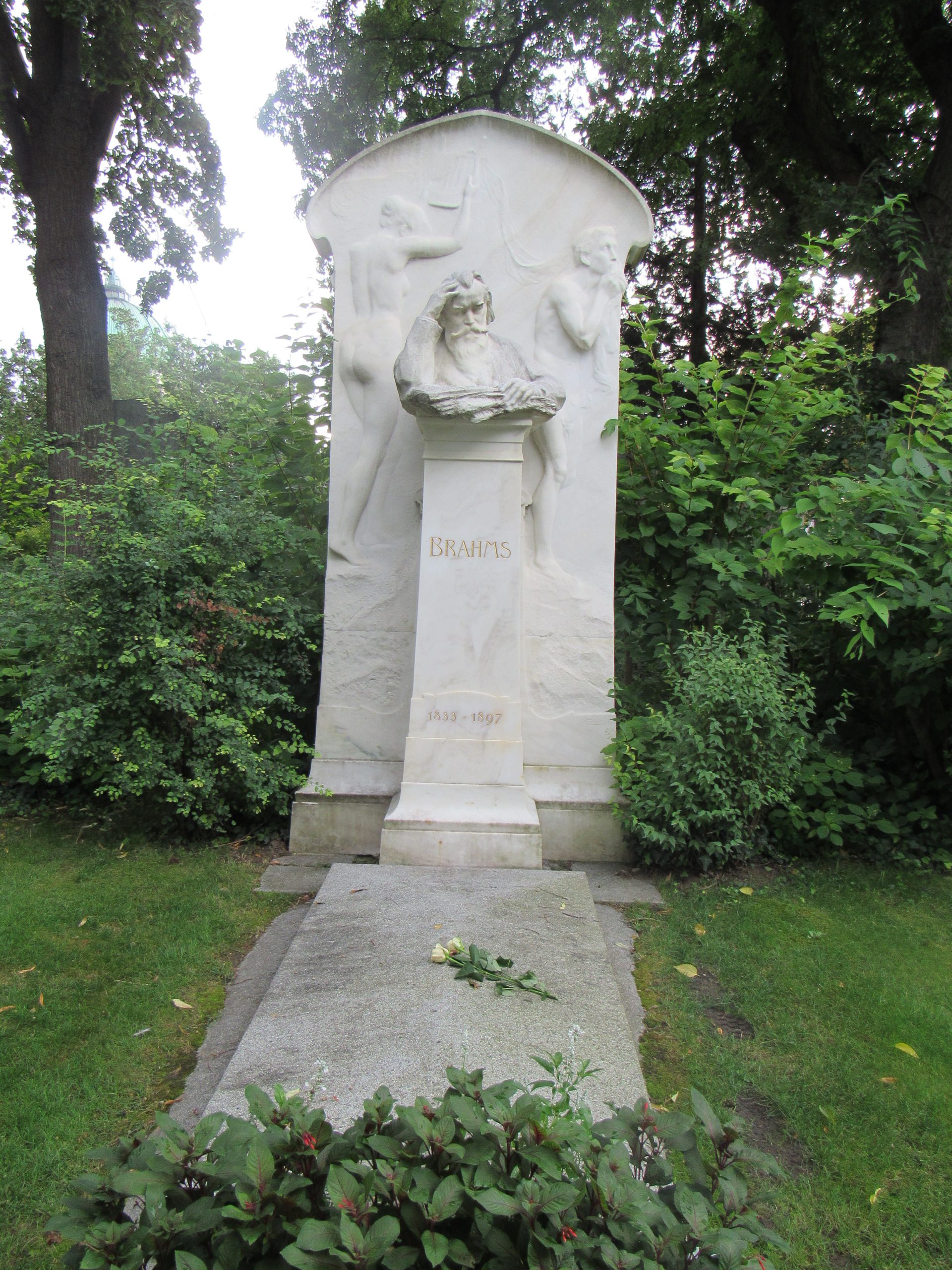
Brahms died in Vienna on April 3, 1897, claimed by liver cancer at 63. He rests at Vienna Central Cemetery, his final address as permanent as his place in music history. Generations later, audiences still return to his compositions, feeling the presence of a man who rewrote what classical music could be.
More Images
Cemetery Map
View larger map →Satellite overview of the cemetery grounds.