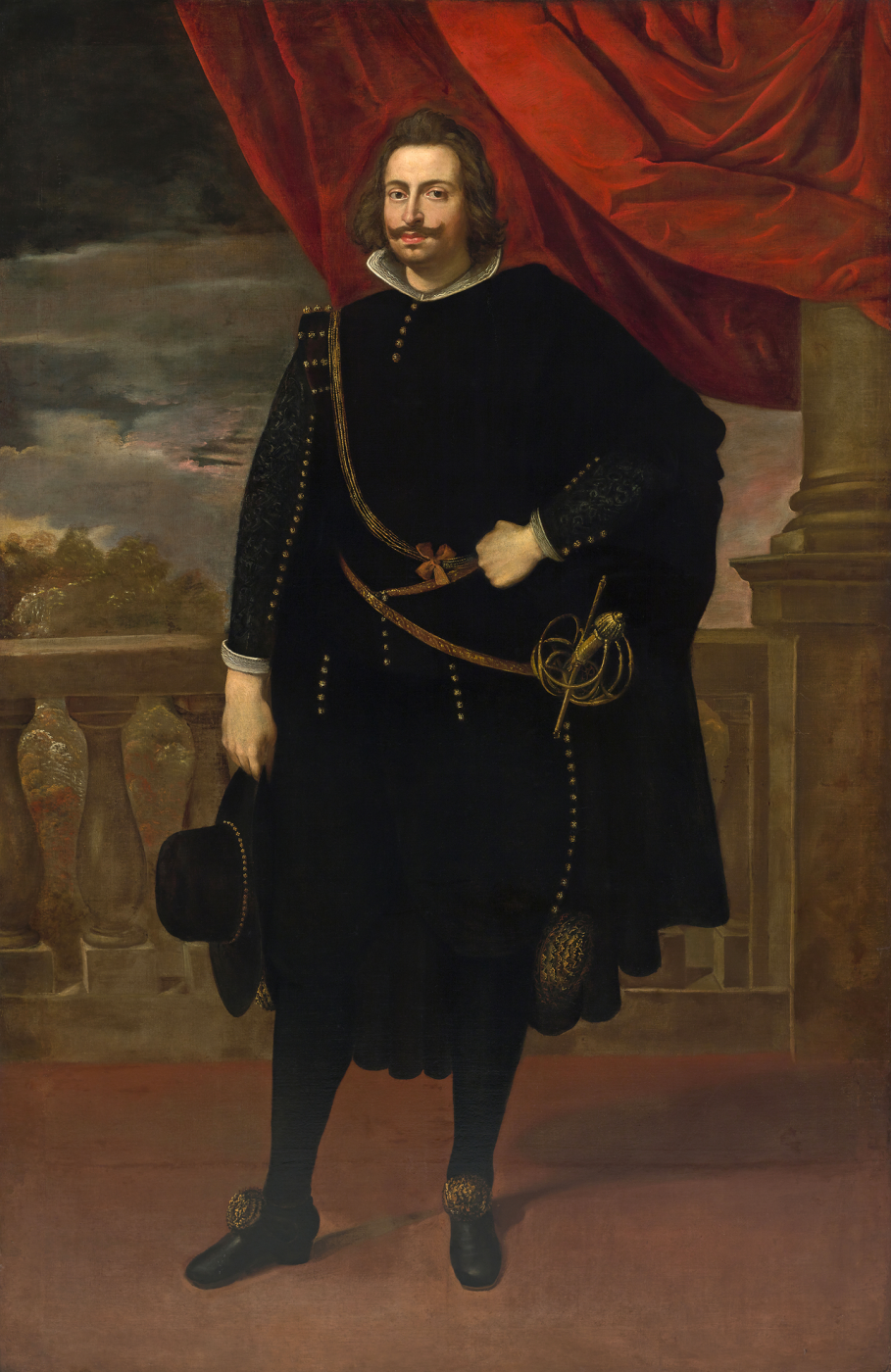
John IV of Portugal 1604 – 1656
Biography
Born into Portuguese nobility at the Ducal Palace of Vila Viçosa, John IV seized his moment in 1640 when he claimed the throne and ignited a national uprising that would reshape the Iberian Peninsula. His reign marked Portugal’s dramatic break from Spanish rule—a bold gambit that restored Portuguese independence after decades of foreign dominion and transformed him into a symbol of national liberation.
For sixteen years, John IV steered his newly liberated kingdom through treacherous diplomatic waters, consolidating power while facing down Spanish attempts at reconquest. His reign became a turning point in European politics, proving that even smaller kingdoms could challenge continental superpowers. Every military victory, every diplomatic alliance forged in those tension-filled years cemented his status as the architect of modern Portugal.
When John IV died at the Ribeira Palace in November 1656, he left behind a restored kingdom and a legacy of defiance. His final resting place at the Monastery of São Vicente de Fora stands as a monument to the king who gave his nation back its freedom—a Portuguese hero whose reign rewrote the rules of royal power.
Cemetery Map
View larger map →Satellite overview of the cemetery grounds.