Joseph Lister 1827 – 1912
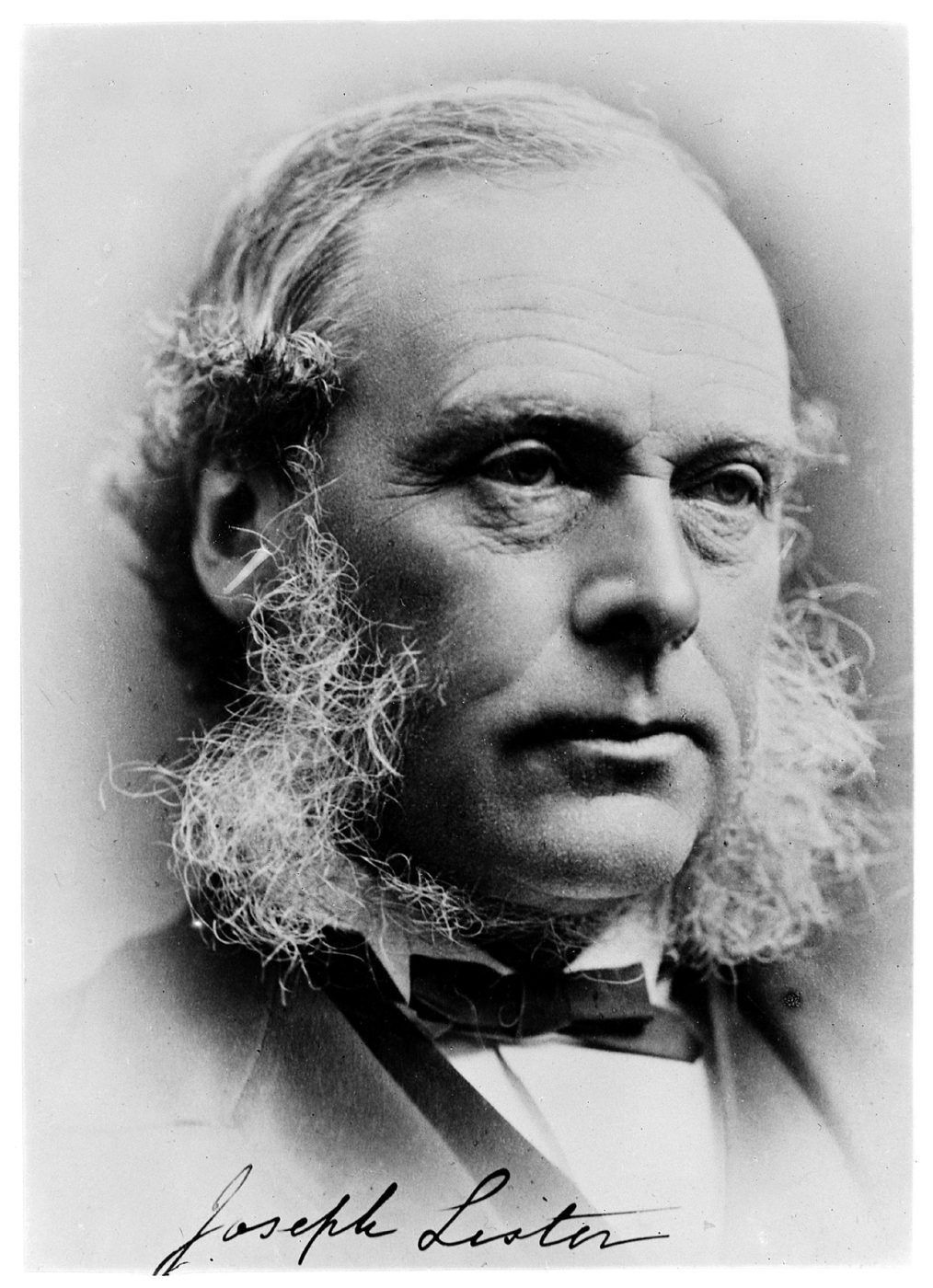
Biography
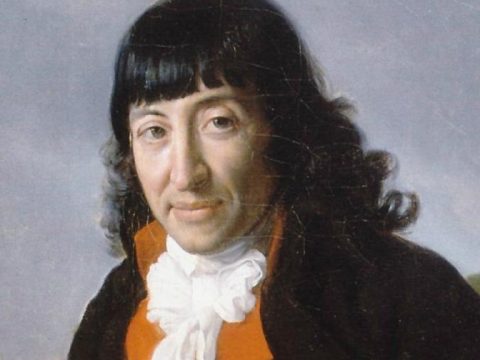
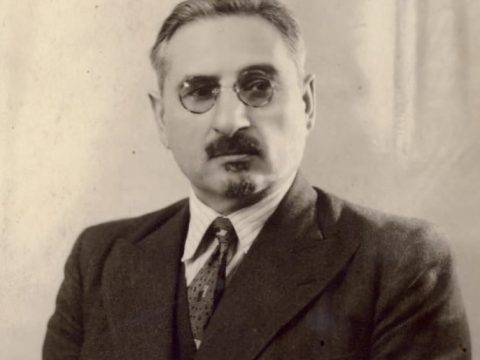
Born into privilege in Victorian England, Joseph Lister revolutionized surgery by tackling an enemy invisible to the naked eye: infection. While operating theaters of the 1860s were scenes of amputation and death, Lister dared to ask why so many patients died after successful procedures. His radical answer—that microscopic germs, not “bad air,” caused post-surgical infections—transformed him into medicine’s unlikely rebel, championing antiseptic methods when skeptical colleagues dismissed germ theory as pseudo-science.
Lister’s meticulous experiments and unwavering advocacy proved the doubters wrong. By introducing carbolic acid and rigorous sterilization protocols, he slashed mortality rates and established principles that became bedrock to modern surgery. His work bridged two medical worlds—the old guard and the scientific revolution—making him not just a surgeon, but a visionary who insisted that saving lives mattered more than tradition.
The pioneering doctor spent over eight decades pursuing surgical excellence with almost missionary zeal. When Lister died in 1912 at eighty-four, the entire medical establishment mourned. His legacy isn’t confined to textbooks; it’s embedded in every sterile operating room, every successful surgery, every life saved by the simple truth he fought to prove: medicine could be better.
More Images

Cemetery Map
View larger map →Satellite overview of the cemetery grounds.