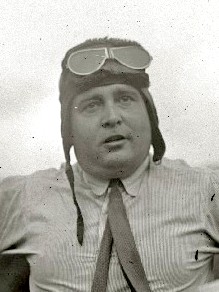
Juan de la Cierva 1895 – 1936
Biography
Spanish aeronautical engineer Juan de la Cierva revolutionized aviation with a single, brilliant invention: the autogyro. Born in Murcia in 1895 during aviation’s infancy, de la Cierva engineered a hybrid aircraft that merged helicopter and fixed-wing capabilities, achieving vertical takeoff and landing decades before conventional helicopters perfected the feat. His breakthrough democratized flight, opening possibilities for rescue missions, reconnaissance, and civilian transport that conventional planes couldn’t accomplish.
De la Cierva’s autogyro wasn’t just engineering—it was a game-changer that reshaped how the world imagined aircraft could move through space. Patent files and flight records across Europe and America testified to his genius. The Spanish innovator spent his career pushing boundaries, earning international acclaim as aviation’s visionary at a moment when the field hungered for radical thinking.
His meteoric career ended tragically on December 9, 1936, when he died in an aviation accident at Croydon Airport in England. De la Cierva was only 41. He was buried at La Almudena Cemetery in Madrid, remembered as a pioneer whose revolutionary thinking in aircraft design left an indelible mark on aeronautical history—one still visible in vertical-flight technology today.
Cemetery Map
View larger map →Satellite overview of the cemetery grounds.