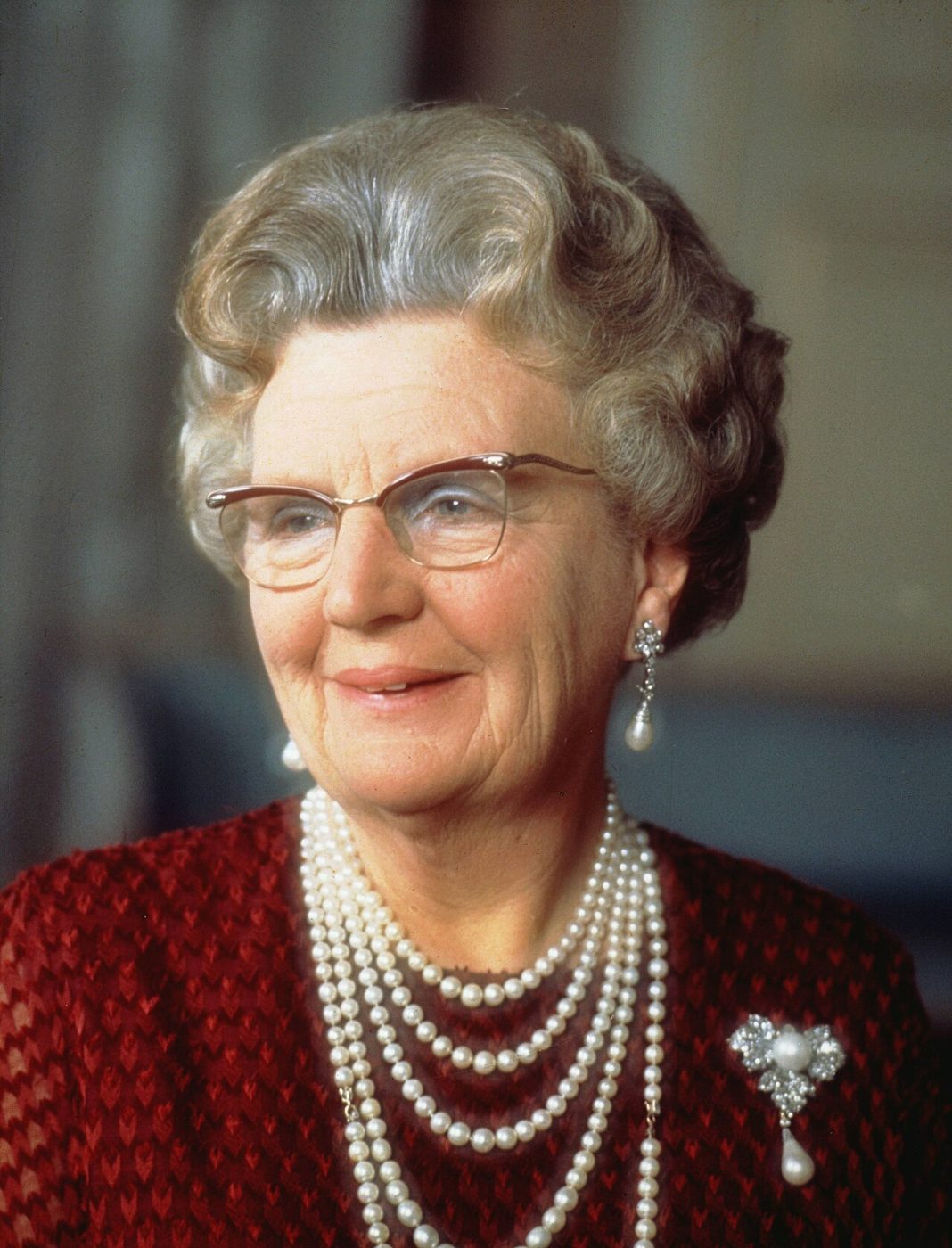
Juliana of the Netherlands 1909 – 2004
Biography
Queen Juliana transformed the Dutch monarchy into something radically modern. When she ascended to the throne in 1948, she didn’t just wear the crown—she rewrote what it meant to be royal in the Netherlands. Her 32-year reign became synonymous with postwar renewal, as she guided her nation through seismic social and political shifts with grace and unwavering dedication. She was the steady hand that steadied a country reinventing itself.
What set Juliana apart was her ability to connect with ordinary Dutch citizens during extraordinary times. She presided over a nation rebuilding from devastation, expanding its global influence while navigating the Cold War and sweeping cultural change. Her decades at Soestdijk Palace became the heart of Dutch national life—a symbol of continuity when everything else seemed to be shifting beneath people’s feet.
When pneumonia claimed her on March 20, 2004, at age 94, the Netherlands lost a link to its own resilience. Juliana’s legacy wasn’t written in scandal sheets but in the peaceful transitions she enabled and the modern, accessible monarchy she championed. Buried in Delft’s Nieuwe Kerk, she remains a defining figure of Dutch history.
Cemetery Map
View larger map →Satellite overview of the cemetery grounds.