Júlio Prestes 1882 – 1946
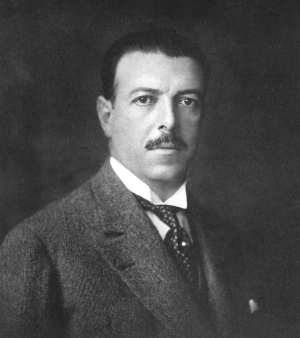
Biography
Júlio Prestes rose to become one of Brazil’s most consequential political leaders, ascending to the presidency during a pivotal moment in the nation’s early twentieth-century transformation. Born in 1882 in the interior state of São Paulo, Prestes built a career navigating the complex power dynamics of a rapidly evolving Brazil, ultimately reaching the highest office in the land—a remarkable ascent that placed him among the era’s most influential political figures.
His presidency marked a significant chapter in Brazilian governance, reflecting the institutional upheaval and social shifts that defined the period. Prestes spent decades in public service, wielding considerable influence over the nation’s political direction during a time when Brazil was redefining itself as a modern state. His tenure embodied the ambitions and contradictions of his generation of leaders.
Prestes died in São Paulo in 1946 at sixty-three, leaving behind a complex legacy woven into Brazil’s political fabric. Though details of his final years remain sparse, his life represents a crucial era when Brazilian politics was forged and contested—a foundational period still studied by those seeking to understand the nation’s modern historical roots.