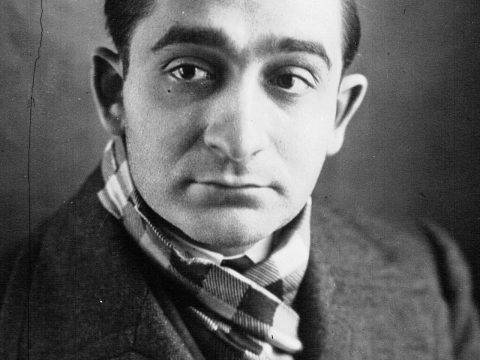
Kaarlo Juho Ståhlberg 1865 – 1952
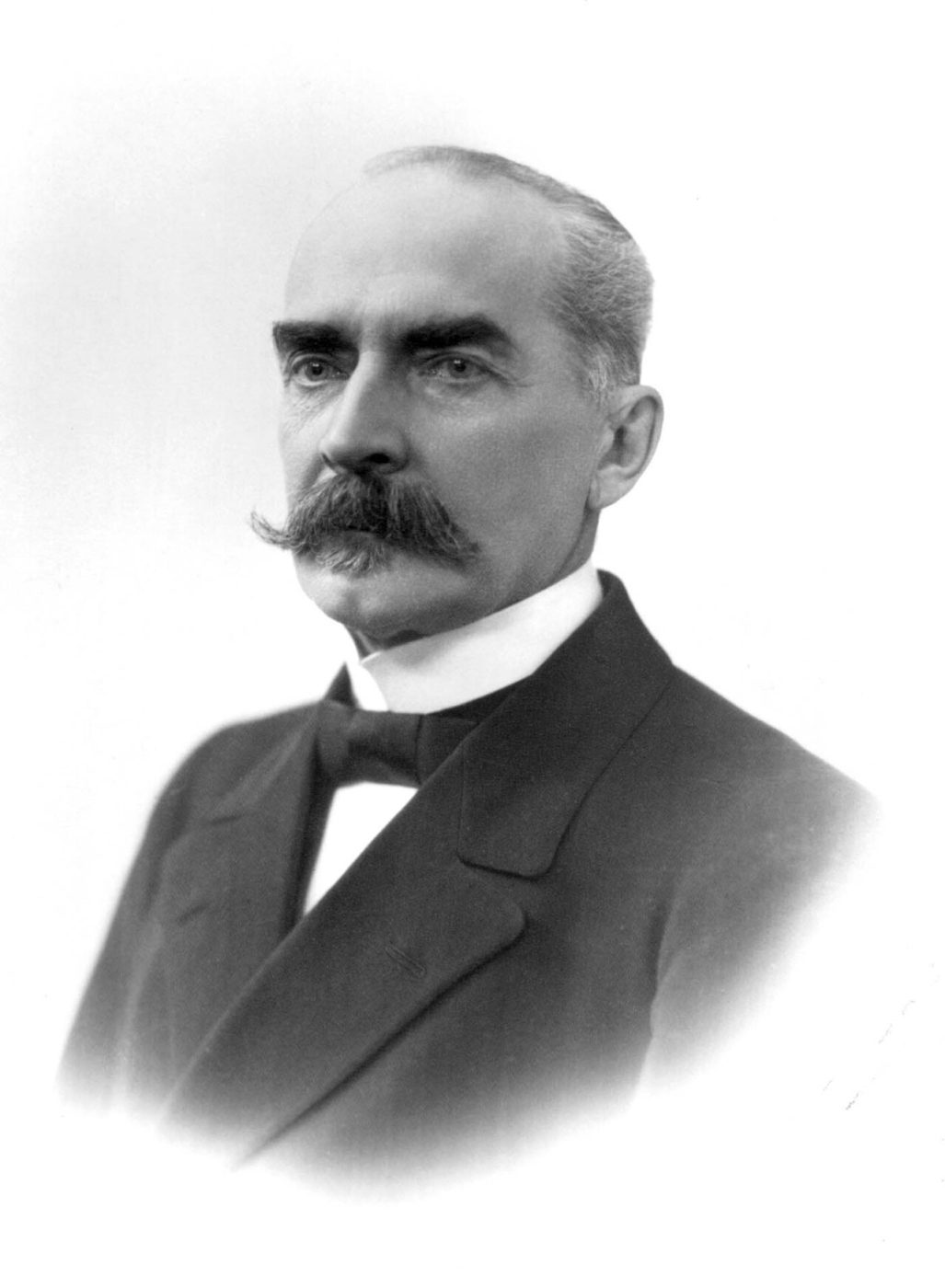
Biography
Finland’s founding father steered his young nation through its most turbulent years. Kaarlo Juho Ståhlberg rose to prominence as President during the transformative early twentieth century, when Finland was charting its course toward independence and establishing itself as a sovereign state. His presidency became synonymous with nation-building during one of history’s most precarious periods—a time when countless new nations crumbled, yet Finland endured.
Born in 1865 in Suomussalmi, Ståhlberg devoted his life to public service, eventually settling in Helsinki where he became instrumental in shaping Finland’s political and institutional foundations. His leadership during those formative decades proved crucial in anchoring the fledgling republic through chaos and uncertainty.
Ståhlberg witnessed seismic transformations across his eighty-seven years, from the twilight of imperial Russia through two world wars to Finland’s emergence as a stable democracy. When he died in 1952, his legacy was secured—a visionary who guided his nation through its birth pangs and into adulthood. He was buried at Hietaniemi Cemetery, honored as an architect of Finnish independence.
Cemetery Map
View larger map →Satellite overview of the cemetery grounds.