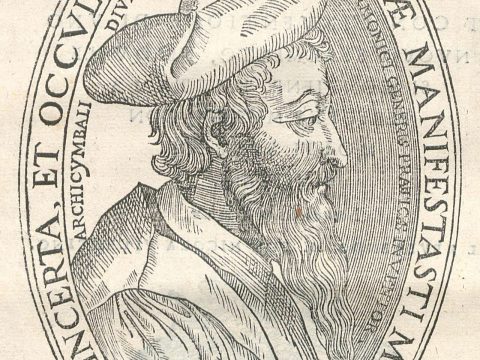
Kâtip Çelebi 1609 – 1657
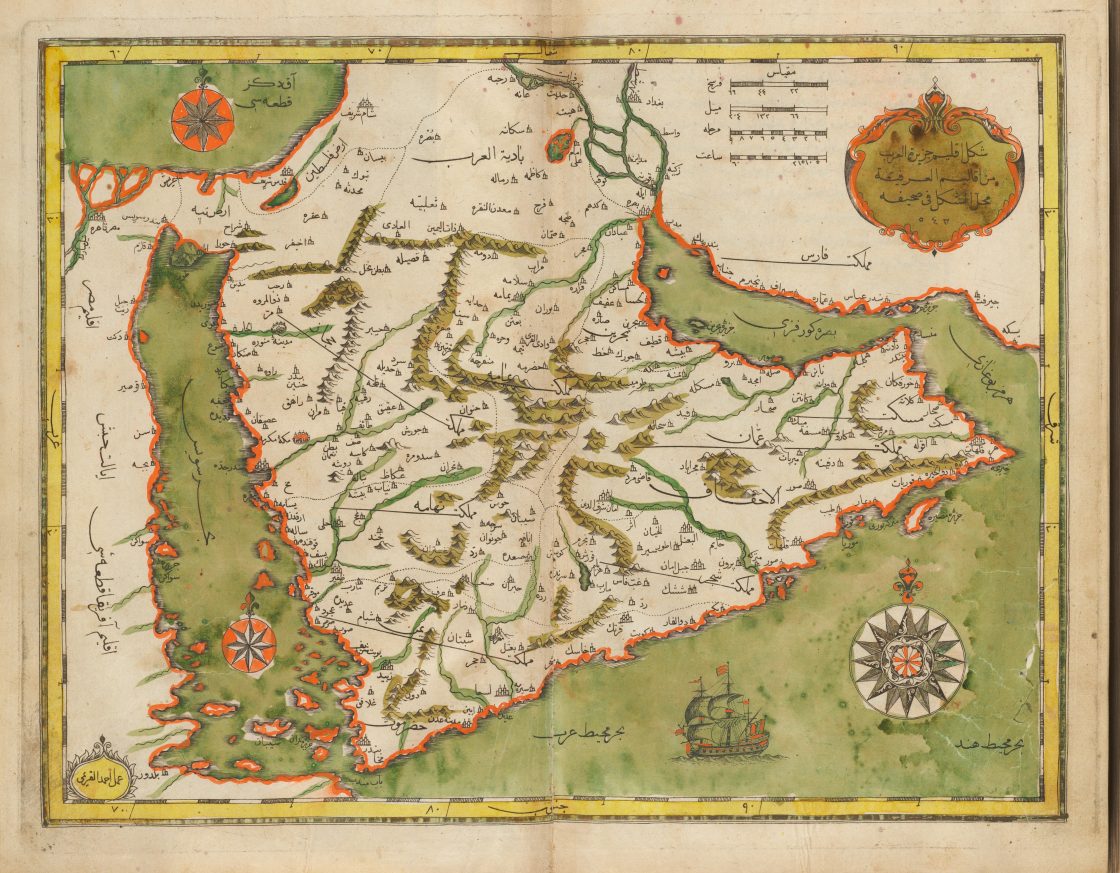
Biography
Born into Istanbul’s golden age of learning, Kâtip Çelebi emerged as the Ottoman Empire’s ultimate knowledge curator. This 17th-century polymath revolutionized how scholars organized and understood the world through groundbreaking bibliographic work that essentially invented systematic cataloging for Islamic scholarship. His precision and intellectual hunger made him the go-to authority on everything from history to geography—the era’s ultimate Renaissance man operating from the heart of Constantinople.
For nearly five decades, Çelebi channeled obsessive dedication into documenting human knowledge with surgical accuracy. His bibliographic endeavors didn’t just list books; they mapped the intellectual landscape of his civilization. Whether diving into historical chronicles or geographical mysteries, he brought methodical rigor to disciplines that demanded it, earning respect as one of Ottoman civilization’s most influential thinkers and setting standards for scholarly work that outlived him.
Until his death in 1657, Çelebi remained rooted in Istanbul, pursuing knowledge in the imperial capital’s libraries and archives. His legacy transcended his lifetime: a scholar who proved that organized information could be as powerful as the information itself, leaving an indelible mark on how the Ottoman world—and scholarship itself—understood and preserved human achievement.