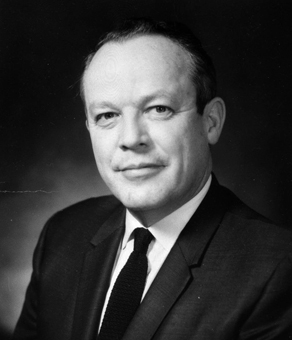
Katsu Kaishū 1823 – 1899

Biography
Born into Japan’s pivotal nineteenth century, Katsu Kaishū emerged as the visionary who modernized his nation’s navy when the country needed it most. This nobleman-turned-statesman understood that Japan’s survival depended on maritime power, and he became the architect of naval innovation during a transformative era. His technical brilliance and political acumen made him instrumental in steering Japan through radical change, turning a feudal society into a modern power.
Kaishū’s influence rippled through Japan’s most critical moments, as he leveraged his expertise to advance naval capabilities and national security. His forward-thinking approach to engineering and statecraft demonstrated that progress required both intellectual rigor and strategic vision. He navigated the treacherous waters of nineteenth-century politics with the same precision he brought to his maritime work, earning respect across Japan’s shifting power structures.
On January 19, 1899, Kaishū died from a cerebral hemorrhage at seventy-five, his remarkable life concluding as Japan stood on the brink of becoming a global power. He left behind a nation transformed—one whose strength at sea bore his unmistakable fingerprints. His remains rest at Senzoku-ike, a fitting memorial to a life spent building Japan’s future.
More Images

Cemetery Map
View larger map →Satellite overview of the cemetery grounds.