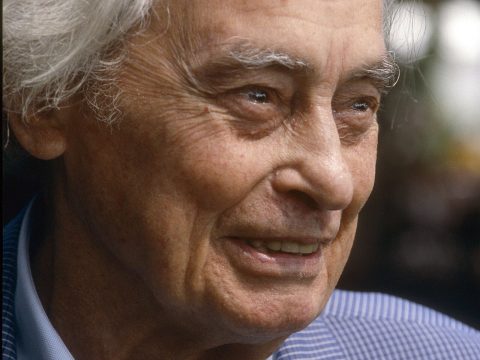
Khwaja Ahmad Abbas 1914 – 1987
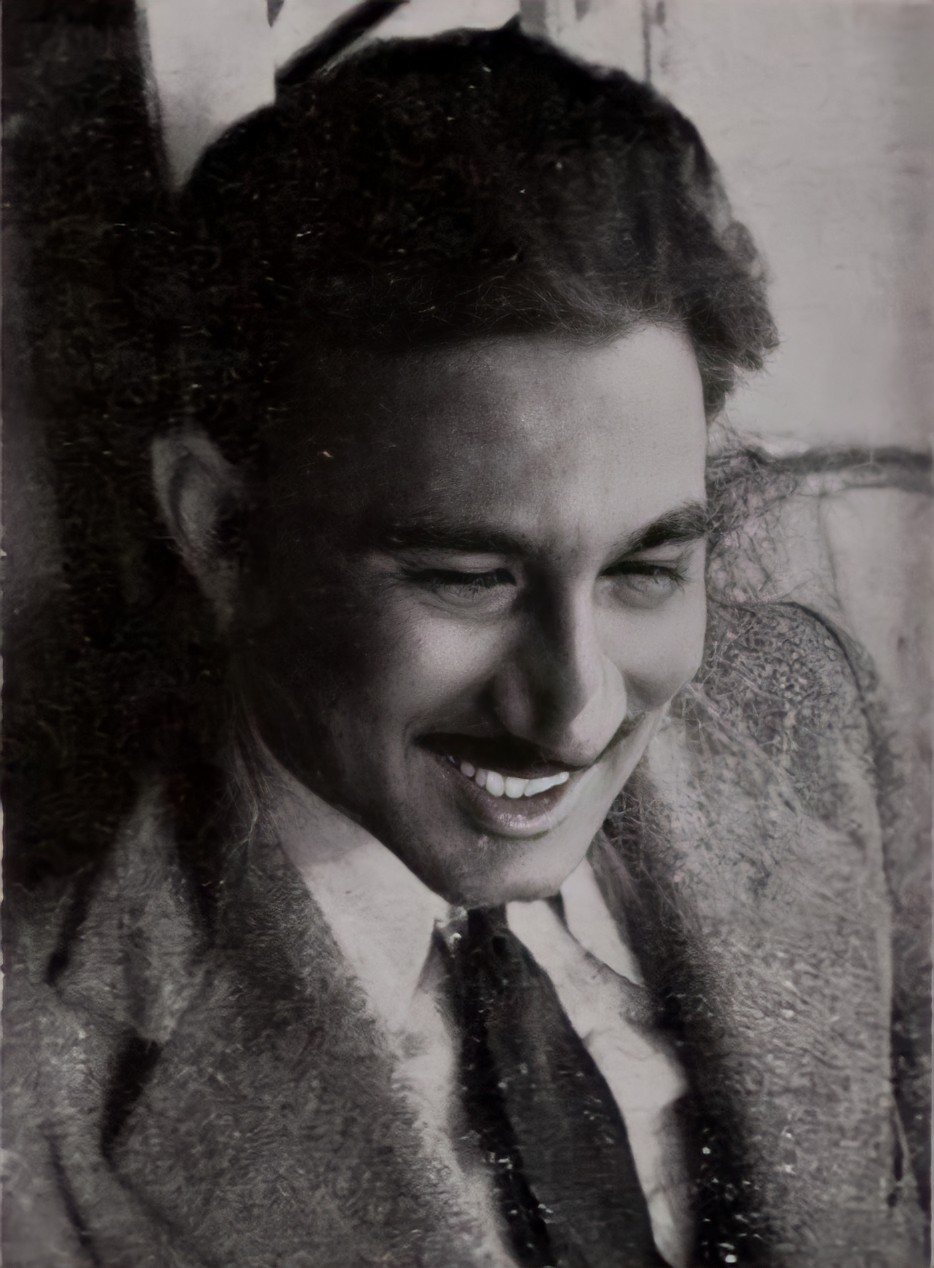
Biography
Khwaja Ahmad Abbas was the rare creative force who refused to pick a lane—he mastered cinema, literature, and journalism simultaneously, wielding each medium as a weapon for social commentary. Born in 1914 in Panipat, Abbas gravitated to Mumbai’s thriving film industry, where he became a visionary screenwriter and director who understood that storytelling wasn’t mere entertainment. It was a vehicle for confronting the urgent issues of twentieth-century India. His scripts crackled with conviction; his narratives insisted audiences think.
What separated Abbas from his contemporaries was his refusal to work in silos. The same pen that crafted screenplays for cinema produced acclaimed novels and piercing newspaper columns—each form amplifying his voice, each medium reaching different corners of Indian society. He understood cultural architecture: film reached millions, literature reached the thoughtful, journalism kept him nimble and responsive to the moment.
Abbas spent decades in Mumbai shaping Indian cinema’s moral consciousness, bridging the artistic worlds of celluloid and ink during an era when India itself was being remade. When he died on June 1, 1987, he left behind not just films and books, but a template for the engaged artist—one who treats every platform as an opportunity to agitate, illuminate, and inspire.