Konrad Ekhof 1720 – 1778
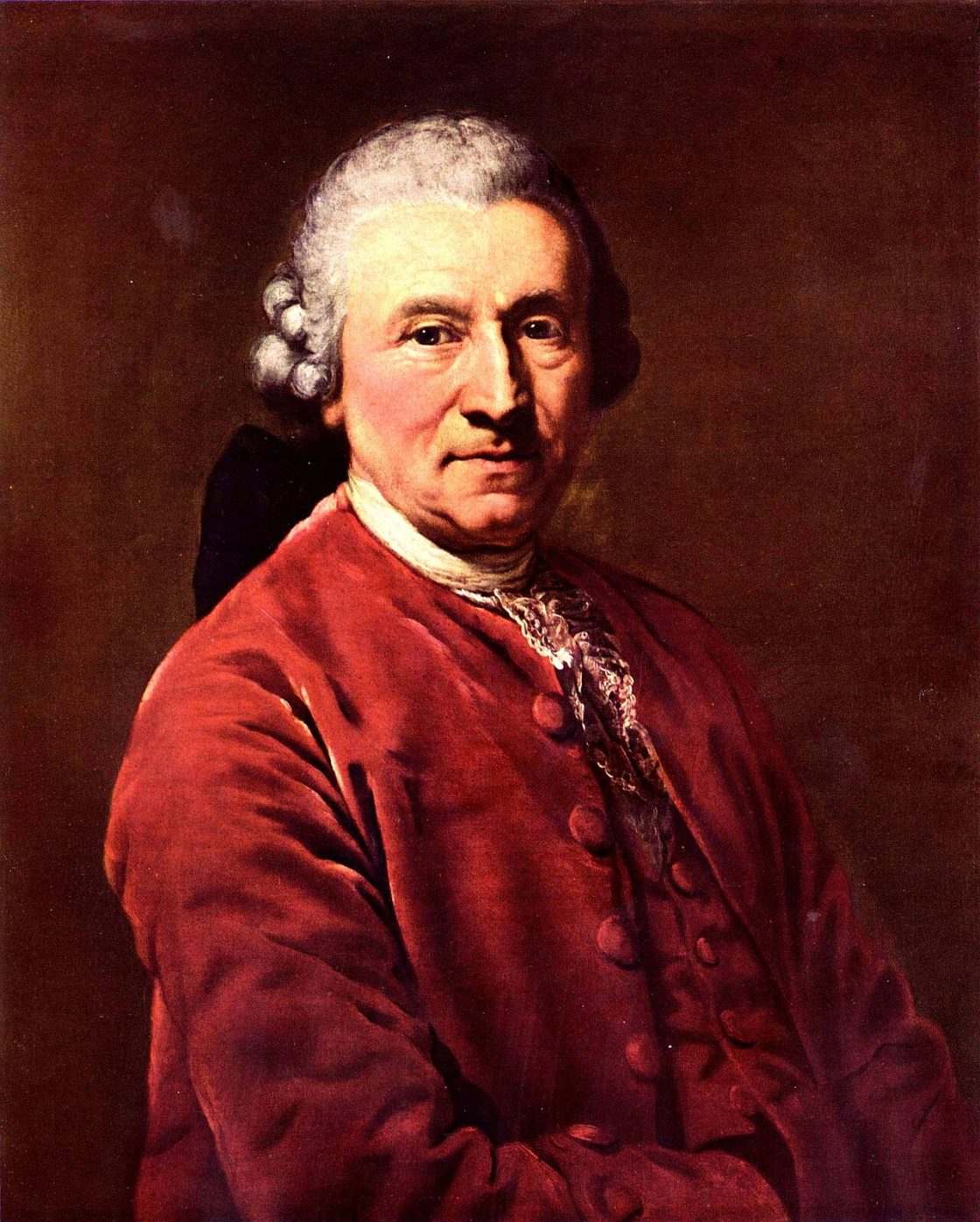
Biography
Konrad Ekhof revolutionized German theater in the 18th century, emerging as one of Europe’s most celebrated stage actors. Born in Hamburg in 1720, he brought unprecedented naturalism to the German stage at a time when theatrical convention favored bombast and artifice. His approach to acting—grounded, psychologically complex, and devastatingly human—fundamentally transformed how audiences experienced drama across German-speaking territories.
Ekhof’s career trajectory made him the gold standard of his era, commanding respect from fellow performers and theater impresarios alike. He became the architect of modern German acting technique, inspiring generations of performers to abandon exaggerated gestures in favor of authentic emotional depth. His influence rippled through European theater, helping establish acting as a serious artistic craft worthy of intellectual consideration.
When Ekhof died in Gotha in 1778 at 58, the German theater world lost one of its most innovative voices. Yet his legacy endured: the naturalistic performance style he championed became foundational to Western acting methodology. He remains a towering figure in theatrical history, the visionary who taught actors to feel rather than merely perform.
Cemetery Map
View larger map →Satellite overview of the cemetery grounds.