Lê Thái Tổ 1384 – 1433
Biography
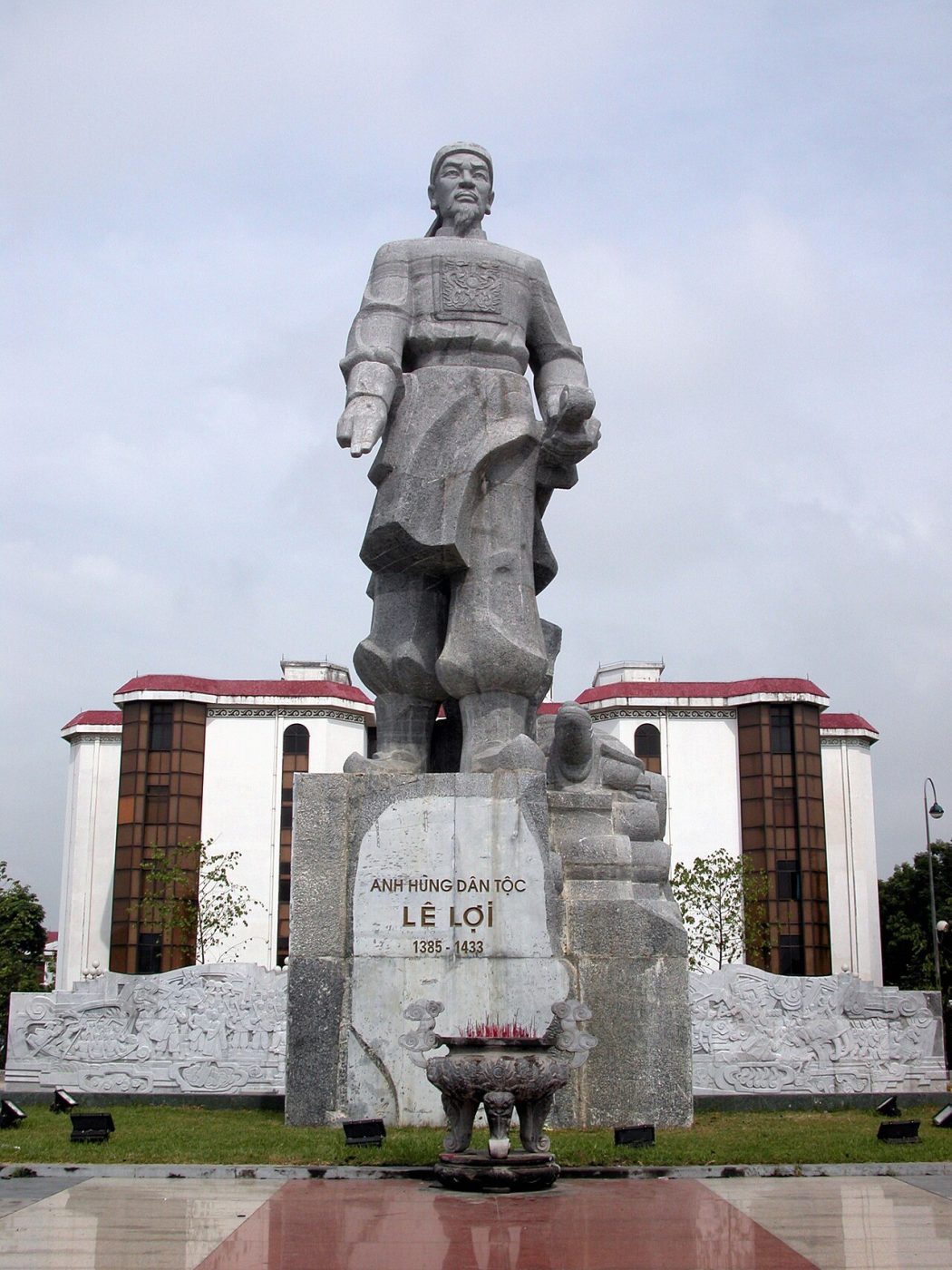
Lê Thái Tổ didn’t just rule Vietnam—he liberated it. Born into an era of foreign occupation and political chaos, this 14th-century military mastermind orchestrated the overthrow of Chinese Ming dominion and founded the Later Lê dynasty in 1427, fundamentally reshaping Southeast Asian power dynamics. His victory wasn’t merely military conquest; it was a cultural reclamation that galvanized Vietnamese identity and independence at a crucial historical inflection point.
Beyond the battlefield, Lê Thái Tổ proved himself a visionary statesman. He established governance structures, administrative reforms, and institutional frameworks that became the backbone of Vietnamese civilization for centuries. His reign transformed a fragmented, occupied territory into a cohesive, sovereign state—an achievement that reverberated through generations and cemented his legacy as the architect of modern Vietnam.
The emperor spent his final years in Hanoi, dying at just forty-eight on January 1, 1433. Though his lifespan was brief, his impact proved monumental. Lê Thái Tổ remains one of history’s most consequential leaders—a visionary who didn’t just change a nation, but gave it back to itself.