Leo II 1236 – 1289
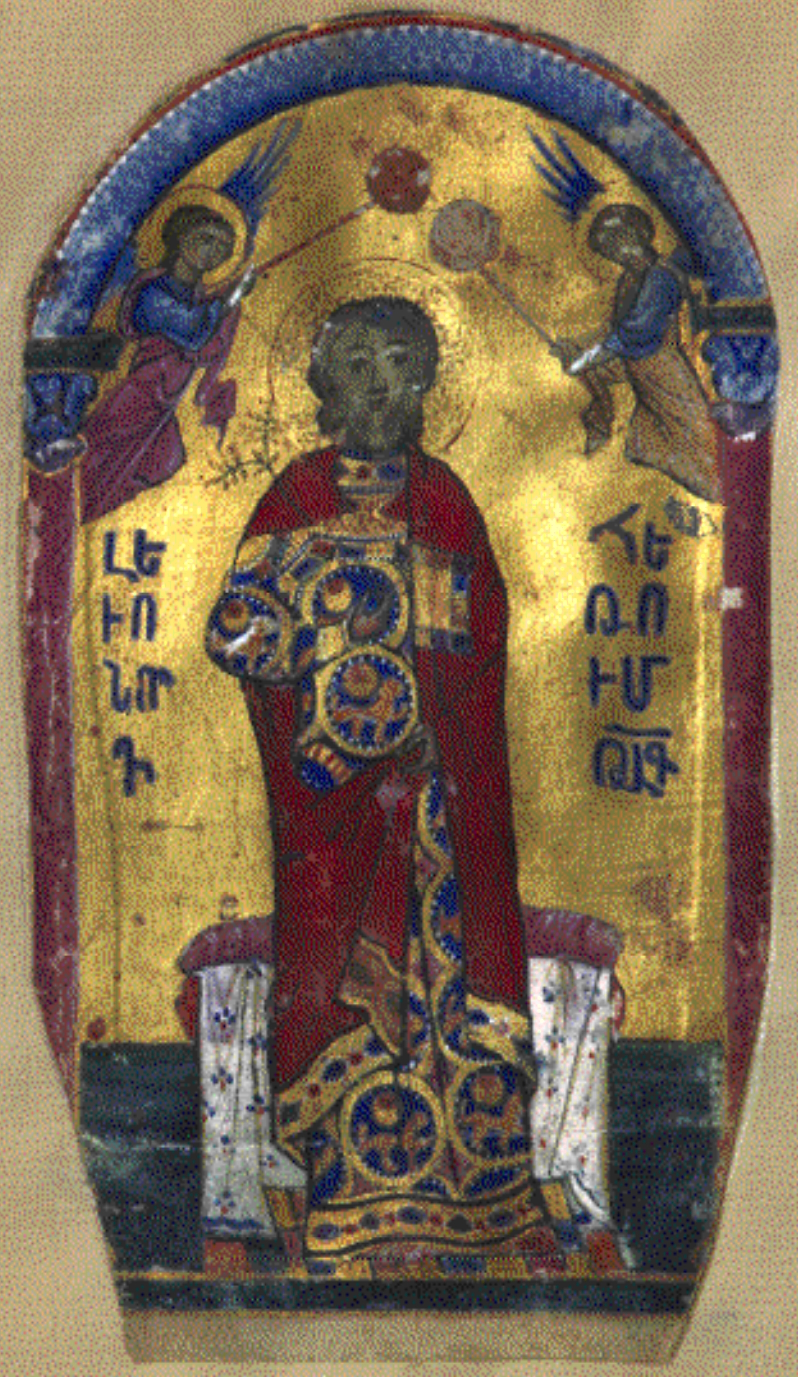
Biography
When Leo II ascended the throne of Cilician Armenia in the 13th century, he inherited one of medieval Europe’s most strategically vital kingdoms. Perched between empires in the Eastern Mediterranean, this Armenian realm was a cultural powerhouse—a thriving center of trade, art, and Christian tradition that punched well above its weight on the world stage. Leo II’s reign became synonymous with maintaining Armenian independence during an era when powerful neighbors constantly tested the kingdom’s borders and resolve.
For over five decades, Leo II stewarded Cilician Armenia through a treacherous political landscape, preserving the kingdom’s distinct identity and sovereignty against relentless pressure. His rule from Kozan, a fortress city at the heart of Armenian territory, exemplified shrewd medieval statecraft. He kept his realm standing as a beacon of Armenian culture and autonomy during one of history’s most turbulent periods—no small feat for a king navigating the collision of crusading powers, Mongol expansion, and regional rivalries.
When Leo II died in 1289, he left behind a legacy as a guardian of Armenian kingship. His long reign represented a golden age of Cilician independence, a period when Armenian culture flourished despite overwhelming odds. That endurance—that commitment to sovereignty and tradition—became his defining mark on history.
More Images