Leopold I of Belgium 1790 – 1865
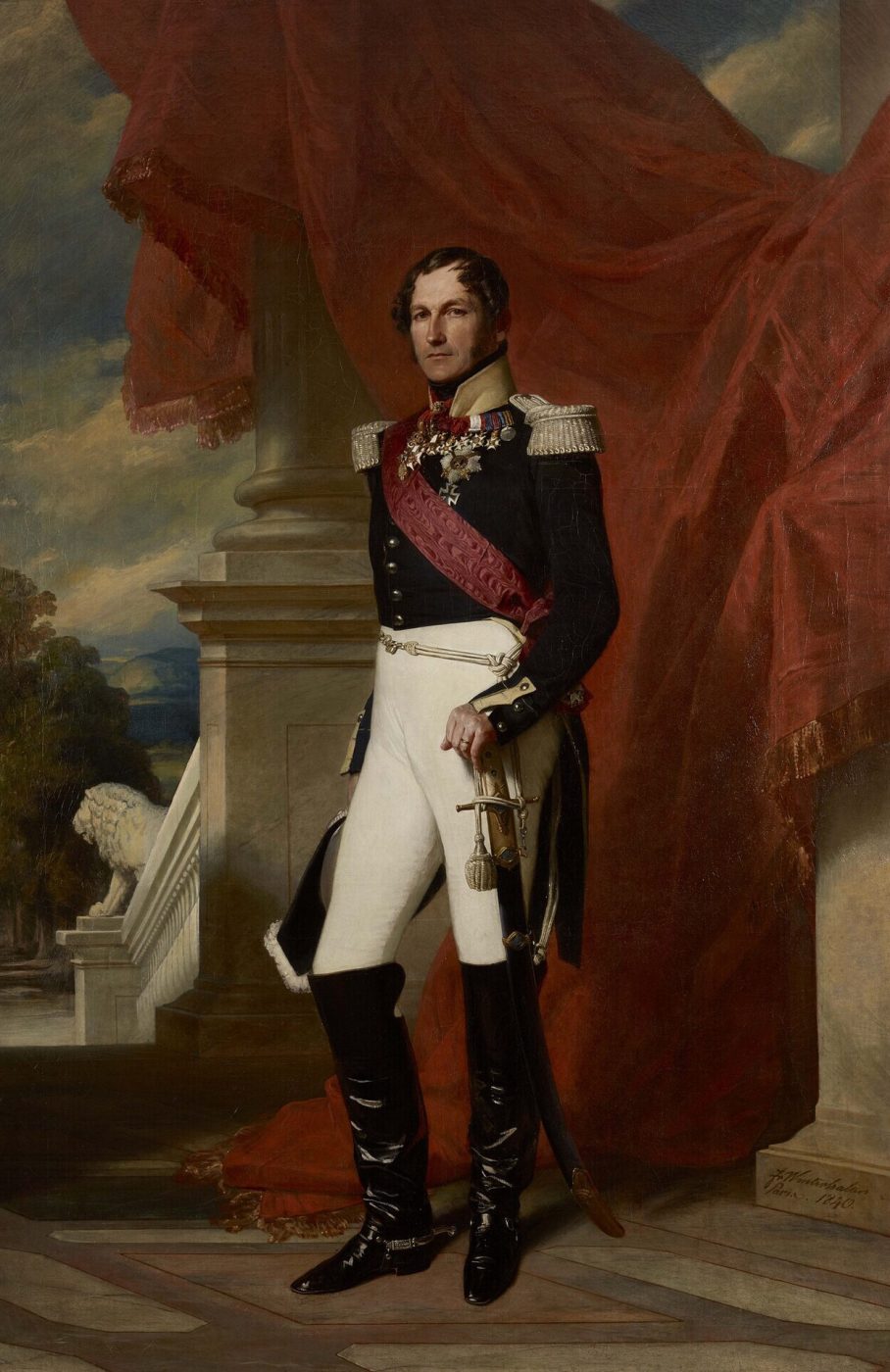
Biography
Born a German prince in sleepy Coburg, Leopold I became the architect of Belgian independence—a political masterstroke that transformed him from minor European royalty into founding father of a nation. When Belgium broke free from the Netherlands in 1830, Leopold seized the moment, positioning himself as the ideal neutral sovereign to unite a fractured, multilingual kingdom and cement its place among European powers.
His reign wasn’t flashy—it was strategic. Leopold navigated treacherous diplomatic waters during Europe’s most volatile century, steering Belgium through revolutions and wars while building democratic institutions that would outlast him. He married into European power, fathered heirs who would continue his dynasty, and transformed a newly born nation into a stable, respected state.
When Leopold died at seventy-four in 1865, just shy of his birthday, Belgium mourned not just a king but its founding force. Buried in the Royal Crypt at Laeken, he left behind a nation that had survived its precarious birth—a legacy of shrewd statesmanship that echoed through generations.
More Images

Cemetery Map
View larger map →Satellite overview of the cemetery grounds.