Lewis Hine 1874 – 1940
Biography
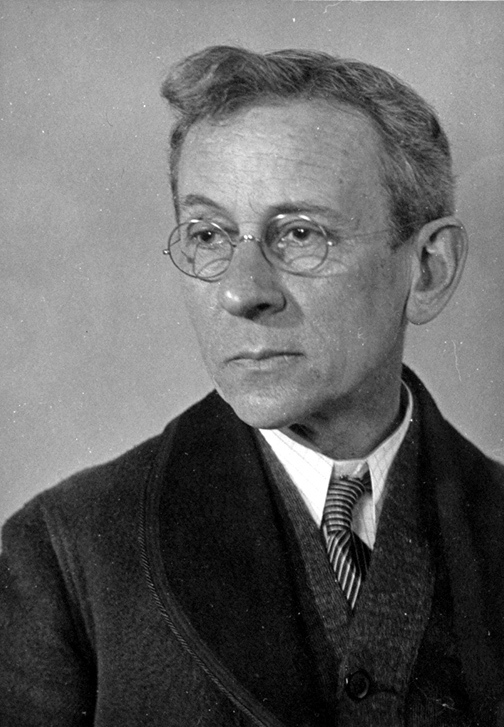
Born in Oshkosh, Wisconsin, in 1874, Lewis Hine became America’s conscience with a camera. He revolutionized documentary photography by fusing sociology with the lens, creating images that didn’t just show poverty and child labor—they exposed the soul of industrial America. His photographs became weapons against injustice, forcing the nation to confront hard truths about who was building the country and at what cost.
Hine’s genius lay in his refusal to see his subjects as statistics. Armed with scholarly insight and artistic vision, he captured the dignity of workers and children in mills, mines, and tenements, transforming photography from mere documentation into a form of social activism. Every frame told a story; every story demanded change. His work influenced legislation, shaped public opinion, and proved that a single camera could move mountains.
When Hine died in 1940 in Hastings-on-Hudson, New York, he left behind thousands of images that remain as urgent today as they were decades ago. His legacy transcends photography—he showed the world that art and activism could be inseparable, that seeing truly meant seeing justly.
Cemetery Map
View larger map →Satellite overview of the cemetery grounds.