Licinianus 250
Biography
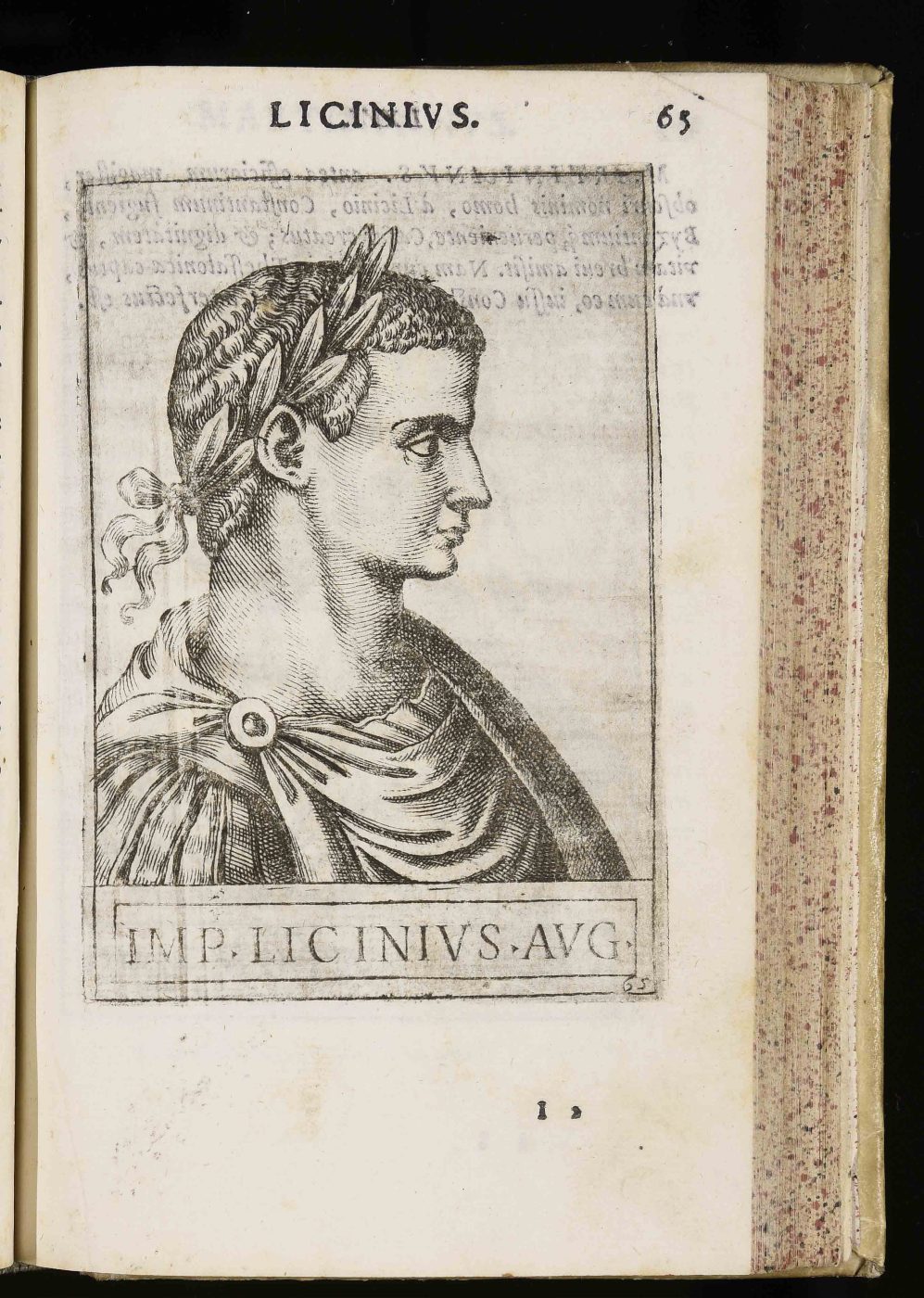
Licinianus stands as a figure of the turbulent third century, a period when the Roman Empire faced unprecedented challenges to its stability and authority. Little remains known of his early life, yet his name endured in the historical record as one of several men who claimed imperial power during this era of rapid succession and civil upheaval. His brief prominence reflected the broader crisis that gripped Rome during these decades, when military strongmen and regional power bases frequently challenged central authority.
On January 1, 250, Licinianus died in Rome—a date that marked the end of his bid for imperial recognition. The circumstances surrounding his death remain obscured by time, with no historical record documenting the cause or the location of his burial. Like many usurpers of his age, he represents one of the lesser-known chapters in Roman imperial history, overshadowed by the more dominant figures and upheavals of the period.
His legacy, modest though it may be, serves as a reminder of the fragmentation and instability that characterized Rome’s third century. Licinianus exemplifies the complex political landscape of an empire stretched thin, where ambitious individuals frequently emerged to challenge for power, only to vanish from prominence just as quickly. His memory persists primarily through historical documentation rather than monumental achievement.
More Images