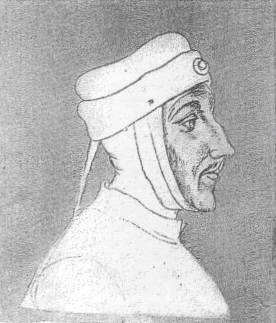
Louis II, Count of Flanders 1330 – 1384
Biography
Born into privilege in 1330, Louis II inherited a powerhouse portfolio of territories—Flanders, Nevers, and Rethel—making him one of the fourteenth century’s most formidable nobles. These weren’t ceremonial titles; they represented real political muscle across the Low Countries during a volatile era when control of northern European trade routes meant everything. For over fifty years, Louis II held the line, keeping his fragmented domains unified through sheer diplomatic acumen and iron-fisted governance.
The medieval world demanded constant vigilance, and Louis II delivered. While exact details of his reign remain shrouded in history’s fog, what’s clear is that he managed something rare: sustained authority across multiple regions during decades of upheaval. He maintained his grip on power from his first inheritance straight through to his death in 1384, a feat of political longevity few could match.
When Louis II died in February 1384, his body was interred at Lille’s Collégiale Saint-Pierre—a final resting place befitting his station. Over half a century of governance left its mark on the medieval Low Countries, cementing his legacy as a ruler who understood that survival meant adaptation.
Cemetery Map
View larger map →Satellite overview of the cemetery grounds.