Luigi Sturzo 1871 – 1959
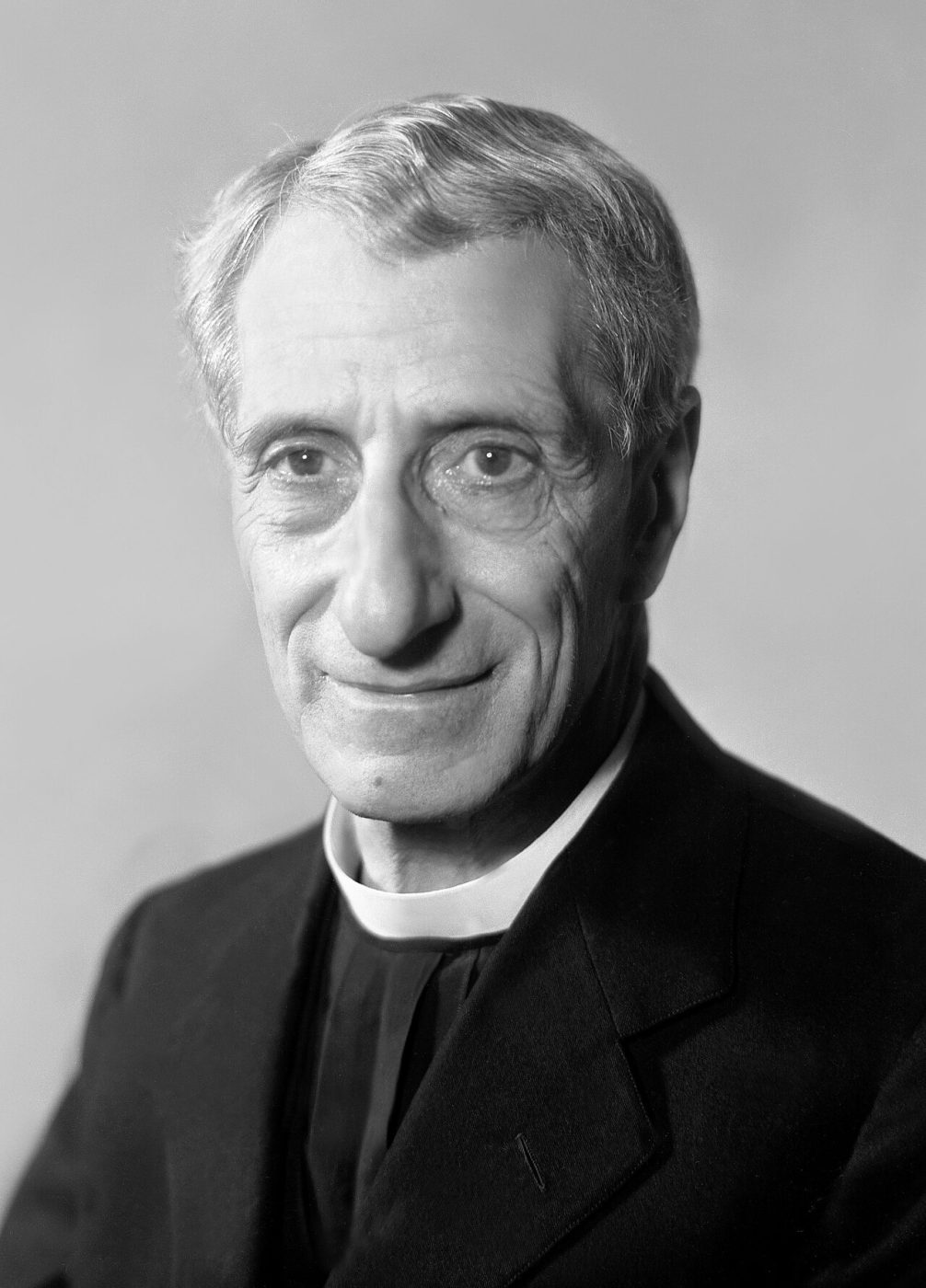
Biography
Born in Sicily’s Caltagirone in 1871, Luigi Sturzo became a rare breed—a Catholic priest who dared wade into Italian politics when the Church and state were barely speaking. He revolutionized the idea of what a clergyman could be, proving you didn’t have to choose between the cassock and the ballot box. Sturzo’s bold fusion of religious conviction and political engagement made him one of twentieth-century Italy’s most distinctive voices, influencing how Italian Catholics saw their role in civic life.
For decades, Sturzo worked at the explosive intersection of faith and governance, determined to apply Christian principles to Italy’s mounting social challenges. His willingness to get his hands dirty in the political arena—rare for priests of his era—sparked fierce debate but also inspired generations of Catholics who wanted their beliefs to matter beyond church walls. He remained committed to this mission through Italy’s most turbulent decades, from unification through world wars.
Sturzo died in Rome in 1959 at eighty-seven, leaving behind a revolutionary legacy: the idea that serving God and serving the public good weren’t opposing forces. He’d transformed what it meant to be a priest-politician, opening doors for Catholic social engagement that would echo through the decades.