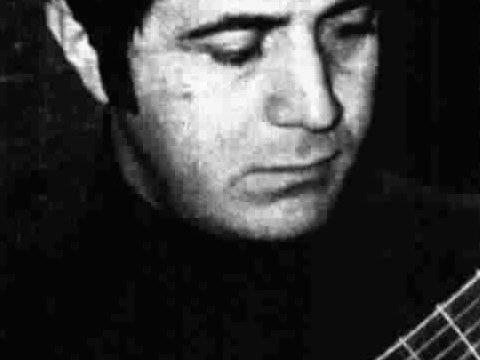
Luis de Narváez 1490 – 1552

Biography
Luis de Narváez was born on January 1, 1490, in Granada, Spain, during a time of profound cultural transformation in the Iberian Peninsula. He emerged as one of the most accomplished musicians of the Spanish Renaissance, gaining recognition throughout Europe for his extraordinary skill as a composer and vihuelist—a master of the vihuela, a six-stringed instrument that was the Spanish predecessor to the modern guitar.
During his lifetime, Narváez created works that showcased both the technical possibilities and expressive depth of the vihuela. His compositions and performances established him as a leading figure in Renaissance musical circles, contributing significantly to the development of instrumental music during an era when such works were still relatively novel. His artistry helped elevate the vihuela to prominence and influenced musical traditions that would extend far beyond his own lifetime.
Narváez lived a full life spanning sixty-two years, dying on January 1, 1552. Though the specific location of his death and final resting place remain unknown to history, his legacy endures through his musical contributions. He is remembered as a pioneering figure who advanced the art of instrumental music and left an indelible mark on Spanish Renaissance culture. His work continues to be studied and celebrated by musicians and scholars of early music.
Cemetery Map
View larger map →Satellite overview of the cemetery grounds.