Luis Walter Alvarez 1911 – 1988
Biography
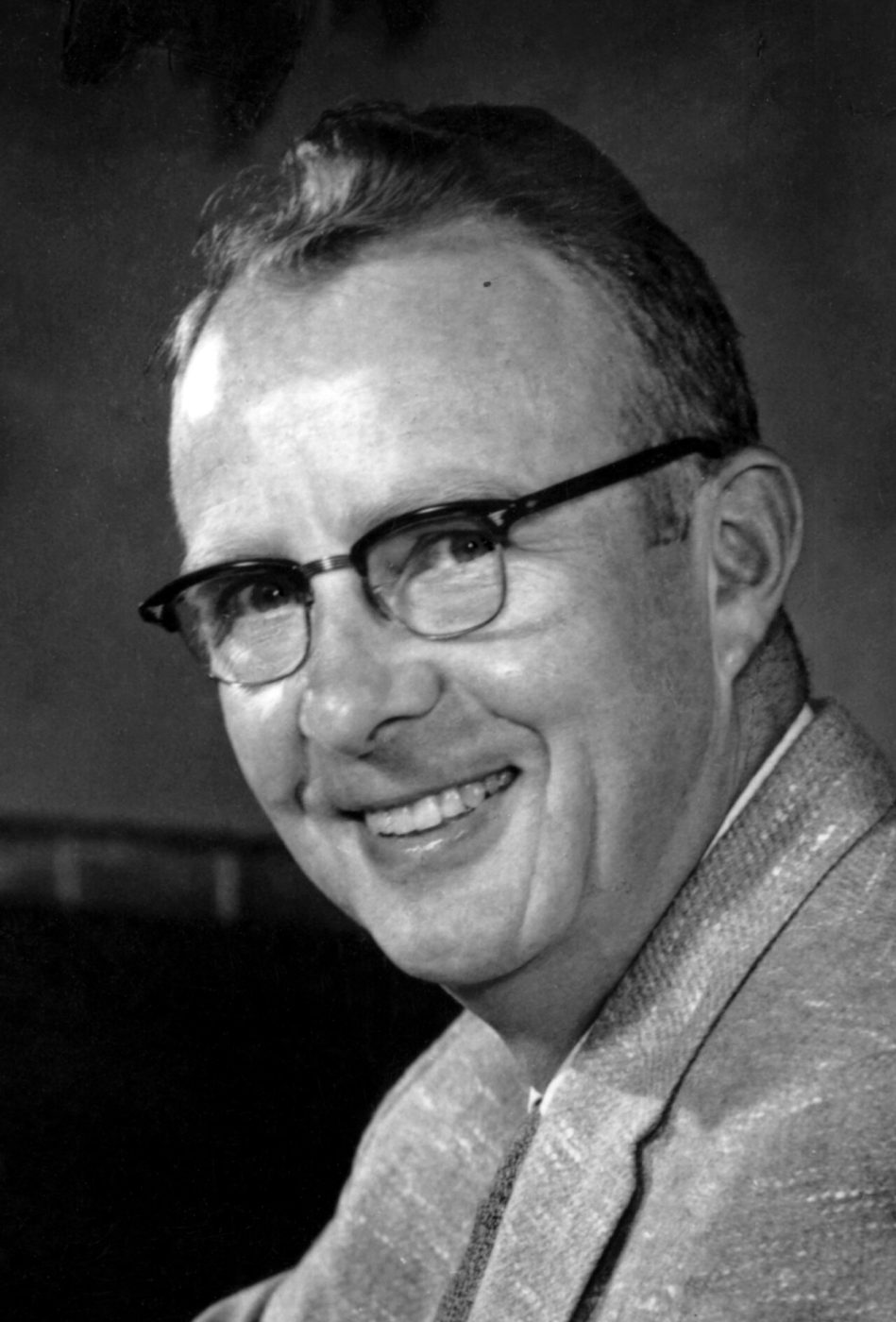
The physicist who refused to stay in his lane, Luis Walter Alvarez revolutionized experimental science by refusing to pick just one problem to solve. Born in San Francisco in 1911, Alvarez became the rare breed of scientist equally comfortable inventing groundbreaking equipment and chasing down nature’s biggest mysteries. His restless curiosity and knack for combining rigorous lab work with creative problem-solving made him one of the twentieth century’s most decorated experimental minds.
Alvarez didn’t just observe physics—he built the tools to interrogate it. Whether teaching the next generation of researchers or designing instruments that pushed the boundaries of what scientists could measure, he embodied a philosophy that discovery required both imagination and precision. Based in the Bay Area during physics’ most explosive era, he became synonymous with the kind of innovative thinking that defined mid-century American science.
When Alvarez died of lung cancer on September 1, 1988, at 77, he left behind more than published papers. He left a template for how to do experimental physics at the highest level—one that blended old-fashioned curiosity with cutting-edge invention. His influence rippled through generations of physicists who learned that the real breakthroughs came from refusing to accept the limits of existing tools.