Luiz Gonzaga 1912 – 1989
Biography
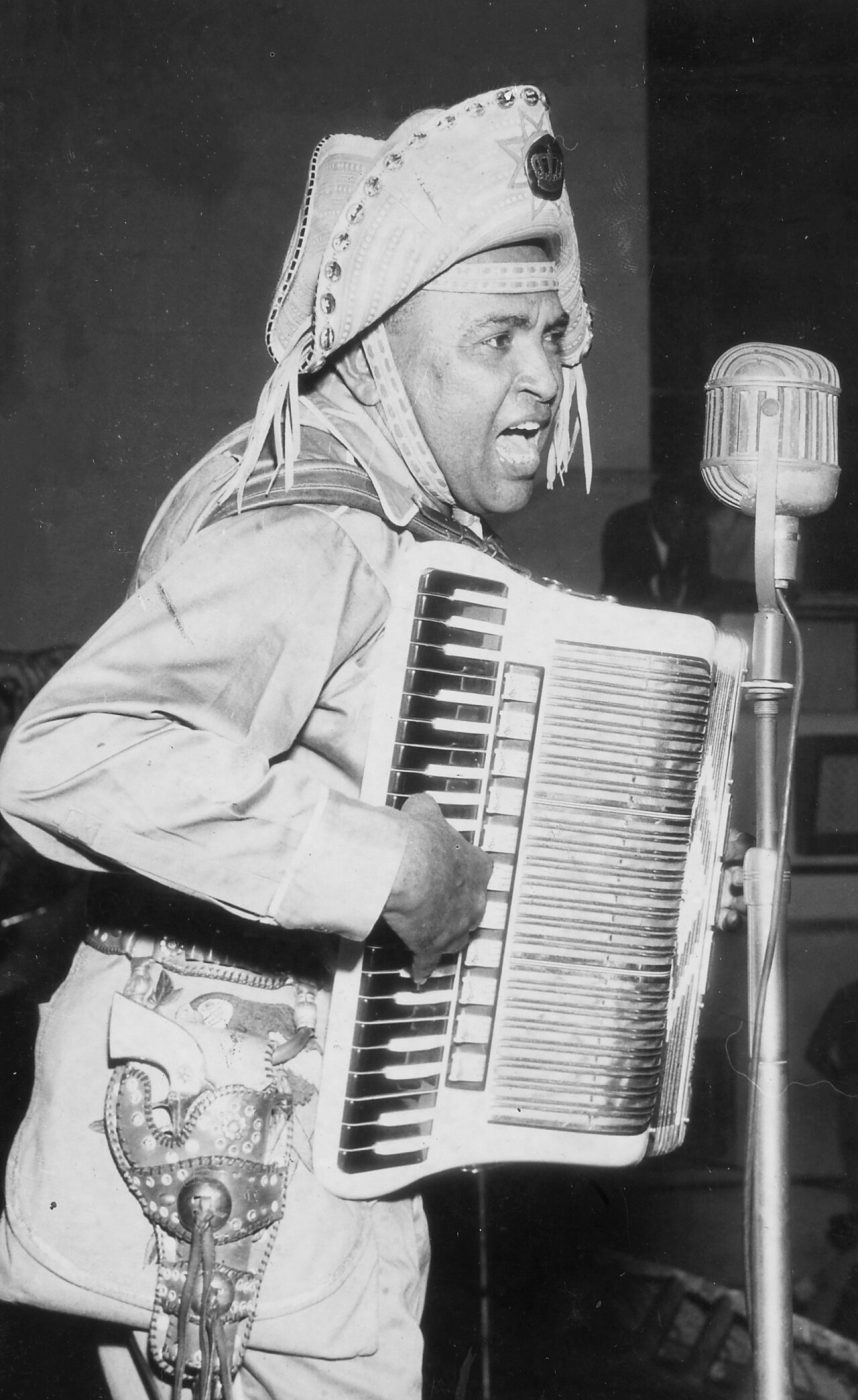
The undisputed king of forró, Luiz Gonzaga transformed Brazilian popular music with his accordion-driven sound and infectious rhythms that made the Northeast’s heartbeat pulse across the nation. Born in 1912, Gonzaga didn’t just perform songs—he became the voice of an entire region, turning folk traditions into a cultural movement that defined generations. His signature sound became inseparable from Brazil’s identity, cementing his status as one of the country’s most influential recording artists and songwriters.
Gonzaga’s decades-long career showcased relentless innovation and deep roots in authentic Brazilian musical traditions. From packed concert halls to recording studios, he performed with an artistry that inspired countless musicians who came after him, transforming the forró genre into something transcendent. His compositions and recordings became woven into the national fabric, proving that regional music could achieve universal resonance.
When cardiovascular disease claimed Gonzaga on August 2, 1989, in Recife, Brazil lost a towering cultural figure—but his legacy proved immortal. The accordion maestro left behind an unshakeable body of work that continues to define Brazilian music and performance traditions decades later.