Magnus the Good 1024 – 1047
Biography
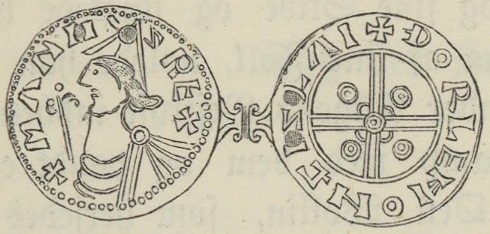
A name that commanded respect across an entire Nordic realm, Magnus the Good earned his epithet by ruling both Norway and Denmark—a rare feat of dual sovereignty that made him one of eleventh-century Scandinavia’s most powerful figures. Born in 1024, Magnus inherited a throne already steeped in medieval intrigue and rose to navigate the treacherous politics of two kingdoms simultaneously.
The young king’s reign reflected the complex interconnectedness of Scandinavian power, where borders blurred and bloodlines determined destiny. Though historical records offer frustratingly few details of his specific triumphs, his contemporaries clearly revered him enough to bestow the title “the Good”—praise that echoed through medieval chronicles and suggested a ruler of genuine character and capable leadership.
On October 31, 1047, Magnus’s reign ended as abruptly as it had begun, cut short by a fatal horse fall in Zealand. He was just 23 years old. His burial at Nidaros Cathedral in Trondheim—one of Christendom’s most sacred sites—was itself a testament to his stature. There, in that hallowed stone sanctuary, the young king who ruled two realms found his eternal rest.
Cemetery Map
View larger map →Satellite overview of the cemetery grounds.