Manuel Blanco Encalada 1790 – 1876
Biography
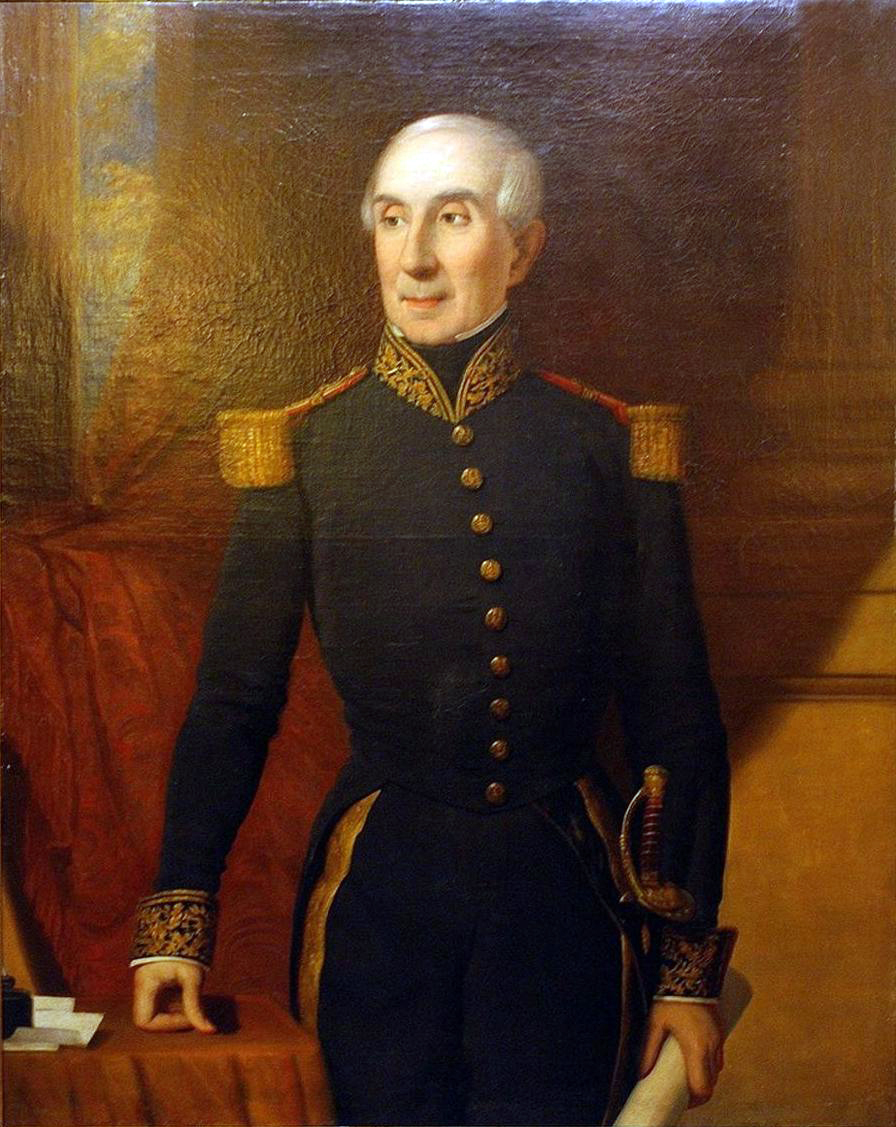
Born in Buenos Aires but adopted by Chile, Manuel Blanco Encalada became one of the nineteenth century’s most consequential South American statesmen. Rising to the presidency during Chile’s critical early decades, he steered the fledgling republic through the turbulent transition from colonial rule to independent nationhood. His political acumen and steady hand proved essential as Chile worked to establish its republican institutions and consolidate power during an era of continental upheaval.
Spanning nearly eighty-seven years, Blanco Encalada’s extraordinary life mirrored the transformation of an entire region. He witnessed independence movements sweep across South America and helped shape the legal and governmental frameworks that would define Chile for generations. His presidency reflected the delicate balancing act required to build democracy amid regional instability—a feat that secured his place as a founding architect of Chilean national identity.
When Blanco Encalada died in Santiago in 1876, he left behind decades of public service and a nation fundamentally altered by his leadership. His legacy endured as a testament to the power of steady governance during history’s most pivotal moments.