Manuel Teixeira Gomes 1860 – 1941
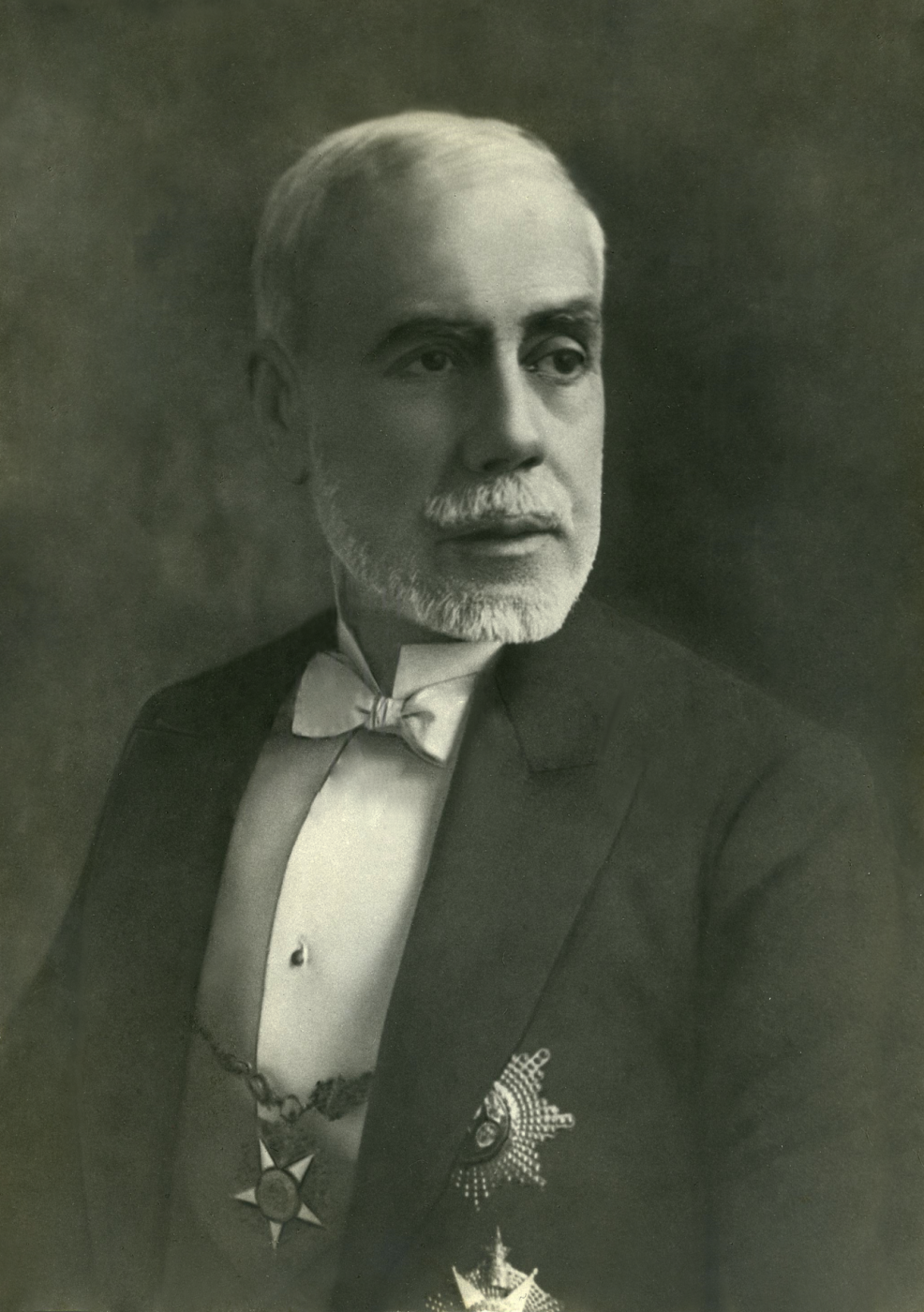
Biography
Born in the sun-soaked coastal town of Portimão in 1860, Manuel Teixeira Gomes became one of Portugal’s most intriguing cultural figures—a rare breed who commanded respect in both the political arena and the literary world. While many chose a single path, Gomes fearlessly straddled two demanding careers, wielding his pen as skillfully as his political influence to shape Portuguese society during a tumultuous era of transformation.
Throughout his eight decades, Gomes carved out a singular legacy as a dual force in Portuguese intellectual life. His ability to blend political acumen with literary sophistication made him a uniquely influential voice—drawing on real-world governance to enrich his writing while bringing literary depth to matters of state. This rare combination earned him profound respect across Portugal’s cultural and civic spheres, positioning him as a conscience of his generation.
When Gomes died in 1941 at eighty-one, he left behind a Portugal forever marked by his contributions—a man who proved that the pen and the podium need not compete, but rather complement. His life embodied a vanishing ideal: the engaged citizen-intellectual devoted to national progress through both words and principled action.